Table of Contents
- What Is Wi-Fi?
- Why Wi-Fi Matters
- Requirements Before Connecting
- How to Connect to Wi-Fi on Windows 10
- How to Connect to Wi-Fi on Windows 8.1
- How to Connect to Wi-Fi on Windows 7
- How to Connect to Wi-Fi on Windows Vista
- How to Connect to Wi-Fi on Windows XP
- Common Wi-Fi Problems and Fixes
- Wi-Fi Security Tips
- Frequently Asked Questions
How to Connect to Wi-Fi on Windows
Wi-Fi has become one of the most important communication technologies in the modern world.
Today, wireless internet access is available almost everywhere, including:
- Cafes
- Airports
- Hotels
- Shopping centers
- Schools and offices
- Homes
If you use a laptop or desktop computer running :contentReference[oaicite:3]{index=3}, learning how to connect to Wi-Fi correctly is essential for browsing the internet, working remotely, gaming online, and streaming media.
This guide explains how to connect to Wi-Fi on multiple Windows versions, including:
- :contentReference[oaicite:4]{index=4}
- :contentReference[oaicite:5]{index=5}
- :contentReference[oaicite:6]{index=6}
- :contentReference[oaicite:7]{index=7}
- :contentReference[oaicite:8]{index=8}
What Is Wi-Fi?
Wi-Fi is a wireless networking technology that allows devices to access the internet without physical cables.
Instead of Ethernet wires, Wi-Fi uses radio signals to connect devices to routers or access points.
Common Wi-Fi Uses
- Internet browsing
- Online gaming
- Video streaming
- Cloud storage access
- Remote work and meetings
Most modern laptops include built-in Wi-Fi adapters.
Why Wi-Fi Matters
Wireless connectivity gives users flexibility and mobility.
Main Benefits of Wi-Fi
- No cables required
- Portable internet access
- Easy setup
- Fast connectivity
- Supports multiple devices
Wireless internet has become essential for modern computing and communication.
Requirements Before Connecting
Before connecting to Wi-Fi, make sure:
- The Wi-Fi adapter is enabled
- The router is working properly
- You are within wireless signal range
- You know the Wi-Fi password if required
How to Check the Wi-Fi Adapter
In Windows, the wireless adapter icon should not appear grayed out.
If it is disabled:
- Right-click the adapter
- Select Enable
Some laptops also include physical Wi-Fi switches or keyboard shortcuts.
How to Connect to Wi-Fi on Windows 10
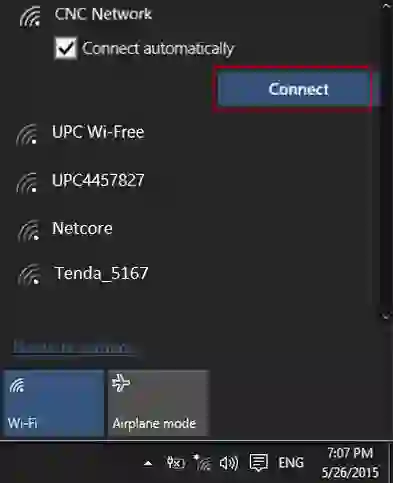
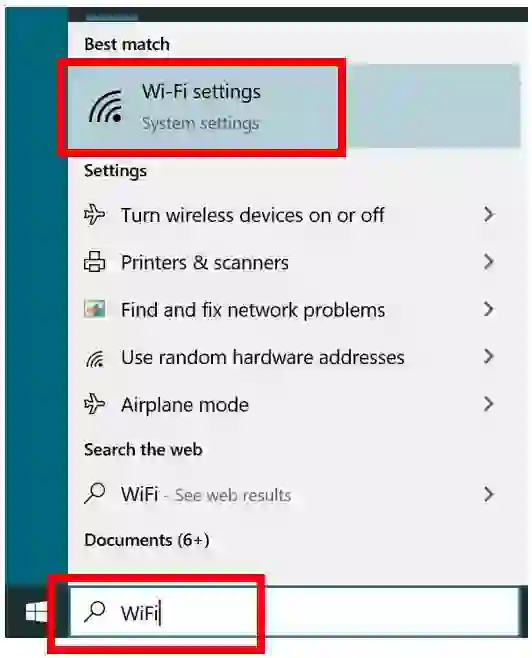
:contentReference[oaicite:9]{index=9} includes a simple wireless connection interface.
Steps to Connect
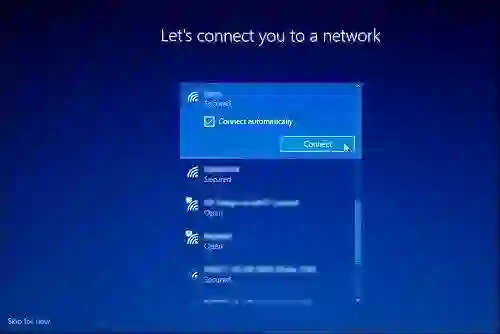
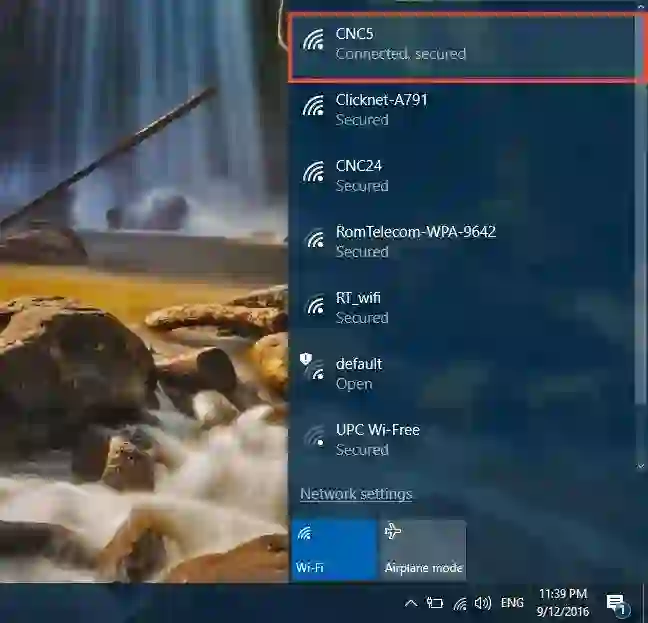
- Click the network icon in the taskbar
- Open the list of available networks
- Select your Wi-Fi network
- Click Connect
- Enter the Wi-Fi password if required
Windows 10 can also remember networks automatically for future connections.
How to Connect to Wi-Fi on Windows 8.1
:contentReference[oaicite:10]{index=10} uses the Charms Bar for network access.
Connection Steps
- Press Win + C
- Open the settings panel
- View available wireless networks
- Select the desired Wi-Fi network
- Enter the password if needed
After authentication, the device connects automatically.
How to Connect to Wi-Fi on Windows 7
:contentReference[oaicite:11]{index=11} remains one of the most popular classic operating systems.
Steps to Connect
- Click the wireless icon in the bottom-right corner
- Select the desired Wi-Fi network
- Click Connect
- Enter the password
Windows 7 supports automatic reconnection for saved networks.
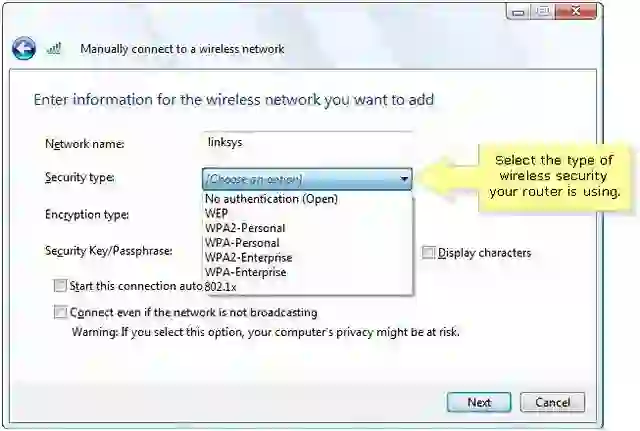
How to Connect to Wi-Fi on Windows Vista
:contentReference[oaicite:12]{index=12} provides similar wireless networking tools.
Connection Process
- Click the wireless network icon
- View available networks
- Select the desired Wi-Fi connection
- Enter the security password
Although outdated, Vista still supports standard wireless networking.
How to Connect to Wi-Fi on Windows XP
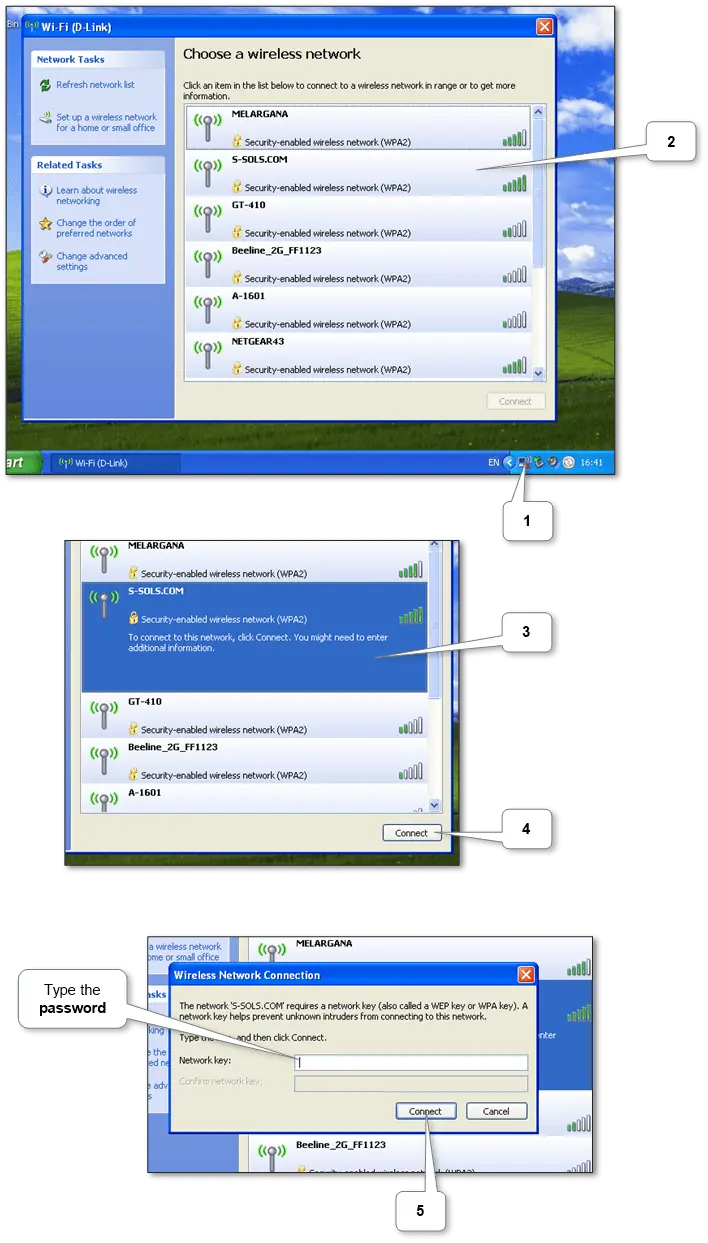
:contentReference[oaicite:13]{index=13} introduced wireless networking support for many home users.
Steps to Connect
- Open the wireless networks list
- Select the Wi-Fi network
- Click Connect
- Enter the wireless password if required
Because Windows XP no longer receives security updates, using it online is generally not recommended.
Common Wi-Fi Problems and Fixes
Wireless internet issues can occasionally occur on Windows devices.
Common Problems
- No available networks
- Incorrect password
- Slow internet speed
- Weak signal strength
- Frequent disconnections
Possible Solutions
- Restart the router
- Restart the computer
- Update Wi-Fi drivers
- Forget and reconnect to the network
- Move closer to the router
Updating wireless drivers often improves performance and stability.
Wi-Fi Security Tips
Using secure wireless networks is important for protecting your personal data.
Best Practices
- Use strong Wi-Fi passwords
- Avoid suspicious public hotspots
- Enable WPA2 or WPA3 encryption
- Disable auto-connect for unknown networks
- Keep Windows updated
Secure networks reduce the risk of hacking and data theft.
Final Thoughts
Connecting to Wi-Fi on :contentReference[oaicite:14]{index=14} is usually quick and straightforward once the wireless adapter is enabled properly.
Although connection methods vary slightly between:
- Windows 10
- Windows 8.1
- Windows 7
- Vista
- XP
the basic process remains similar across all versions.
Understanding how to manage wireless settings and troubleshoot common connection issues helps ensure a faster and more reliable internet experience.
Frequently Asked Questions
Why can’t my laptop find Wi-Fi networks?
The Wi-Fi adapter may be disabled, drivers may be outdated, or the router may be out of range.
How do I enable Wi-Fi on Windows?
You can enable Wi-Fi from the taskbar network settings or by enabling the wireless adapter in Device Manager.
Why does Windows ask for a network security key?
The network security key is simply the Wi-Fi password required to access the wireless network.
Can Windows automatically reconnect to Wi-Fi?
Yes, Windows can save networks and reconnect automatically.
Is public Wi-Fi safe?
Public Wi-Fi networks may be risky. Avoid accessing sensitive accounts on unsecured networks.
Helpful Resources:
Presently, Wi-Fi is a quite common methodology of communication. It may be discovered anyplace: cafes, airports, outlets, our properties. In our life should know how to hook up with Wi-Fi.
Be aware. First, make certain Wi-Fi is enabled on the machine.
The tactic is barely completely different from the model of Home windows®:
- Windows 10®
- Windows 8.1®
- Windows 7®
- Windows Vista®
- Windows XP®
Home windows 10
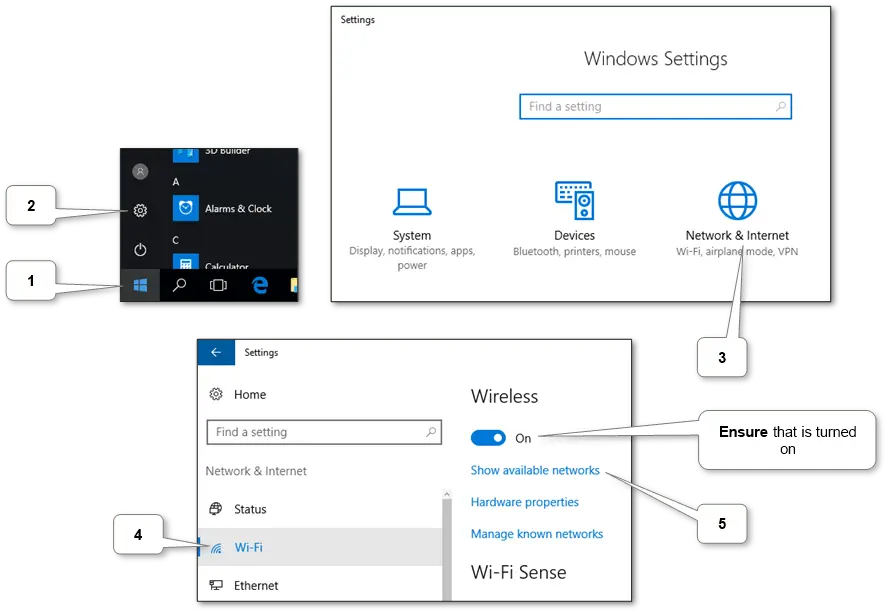
Ensure the adapter is enabled within the system. The adapter icon shouldn’t be grayed out. If not, click on the best mouse button on the adapter and choose “Allow”. If there is no such thing as a adapter icon, you then want to enable Wi-Fi on the device itself.
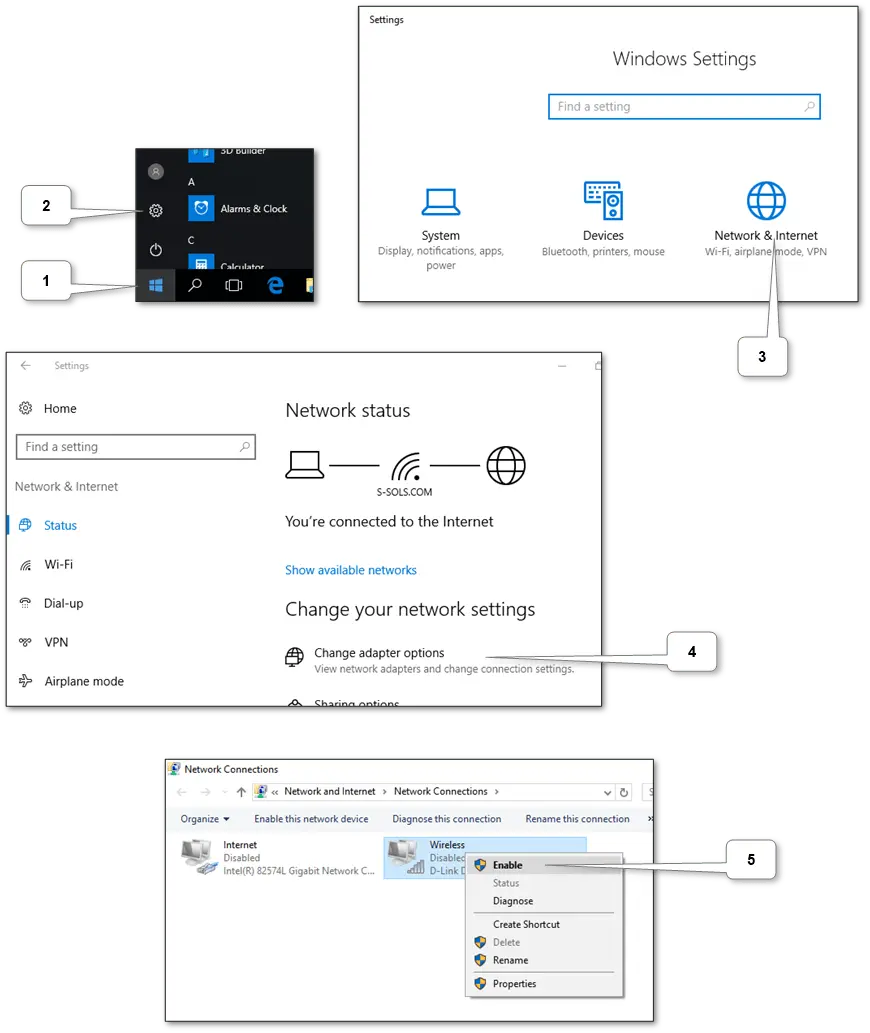
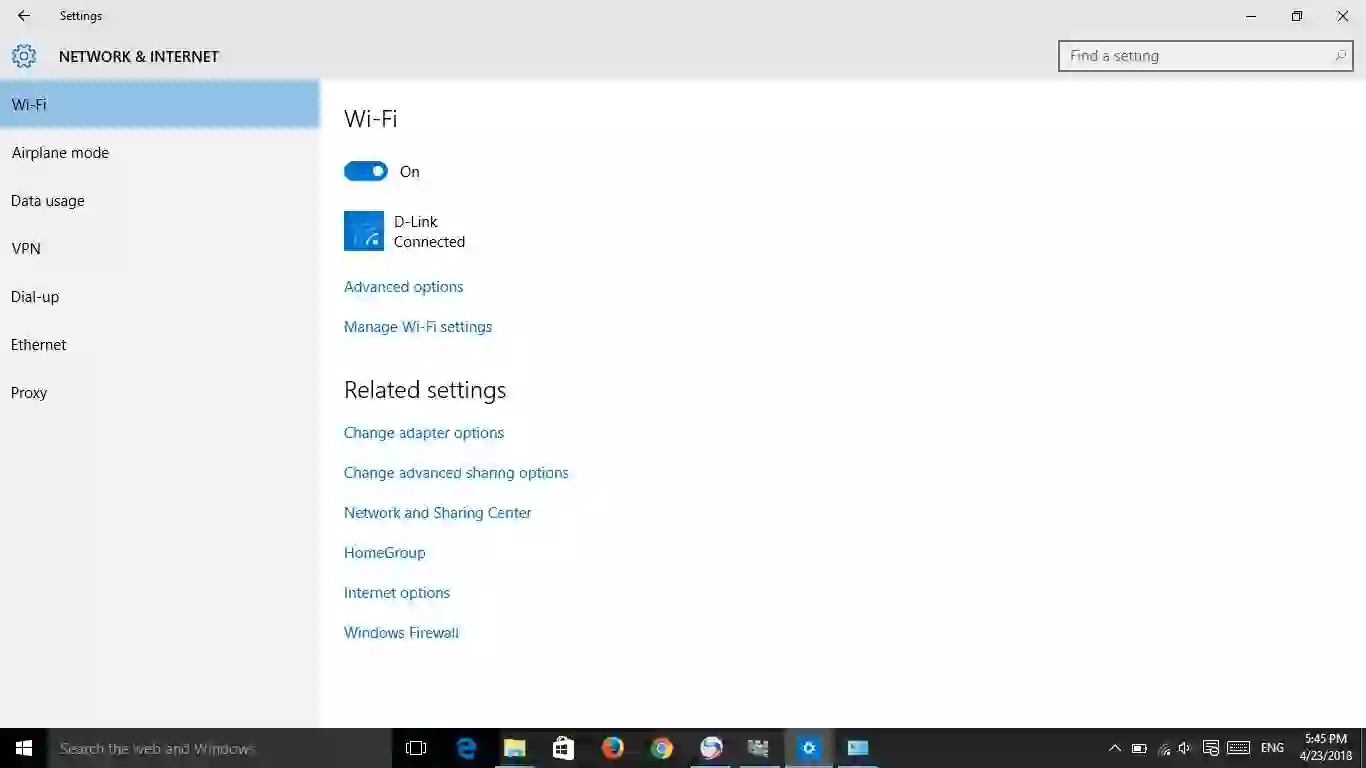
Subsequent, go to Wi-Fi settings and open the listing of accessible networks.
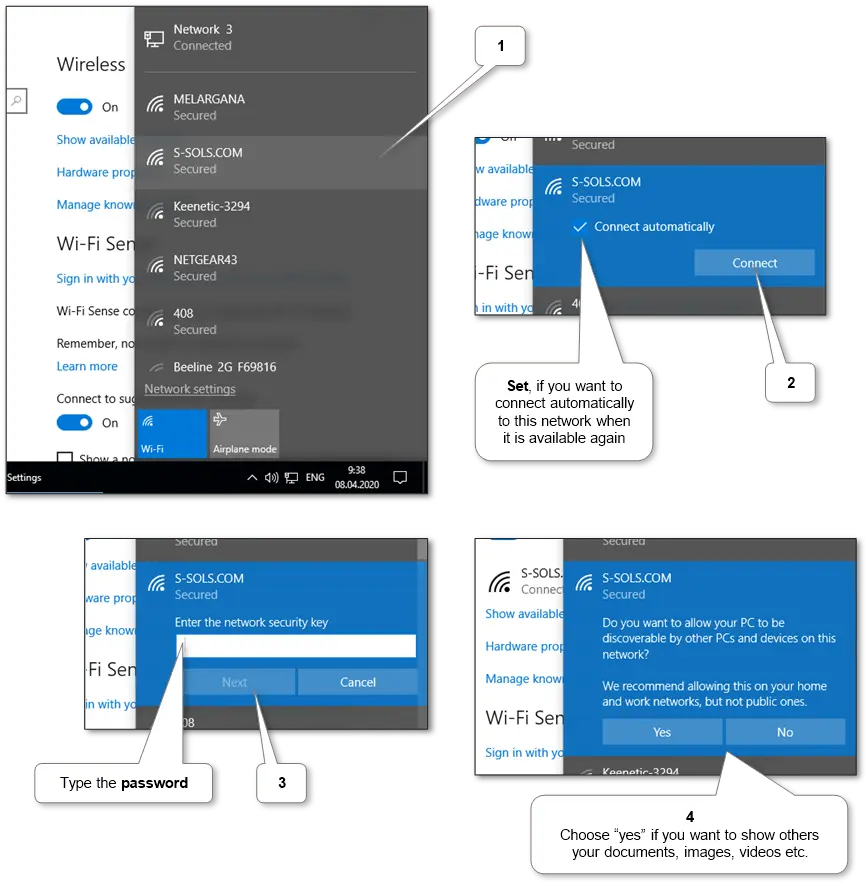
Within the listing choose the Wi-Fi community you want to hook up with and enter the password if essential.
Home windows 8.1#
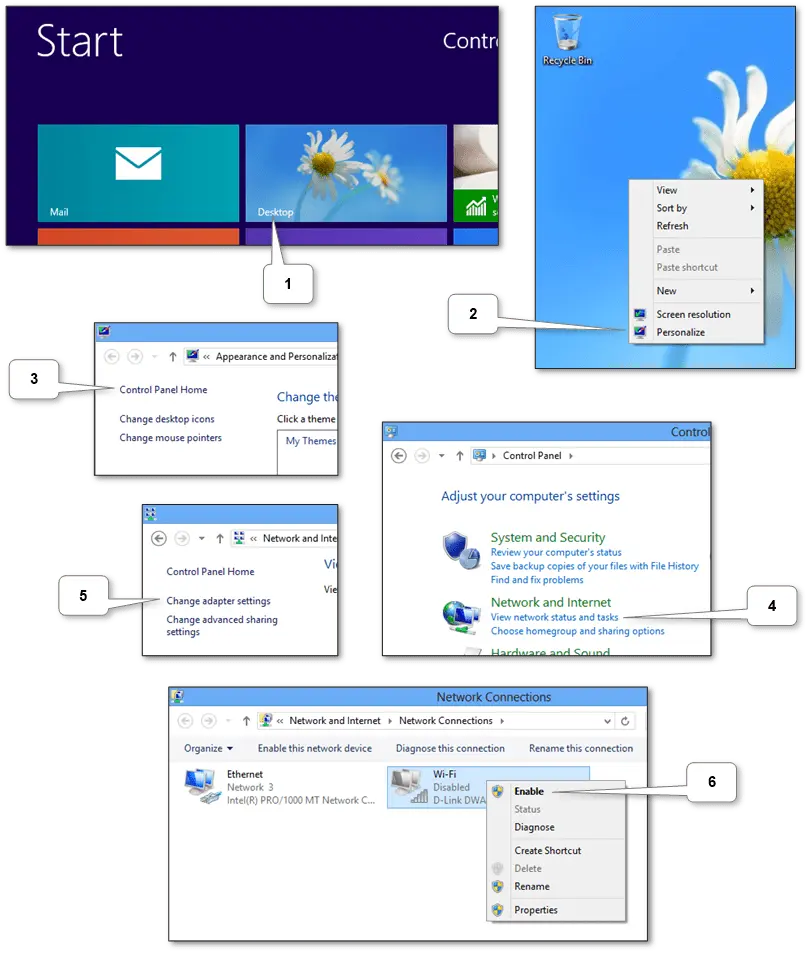
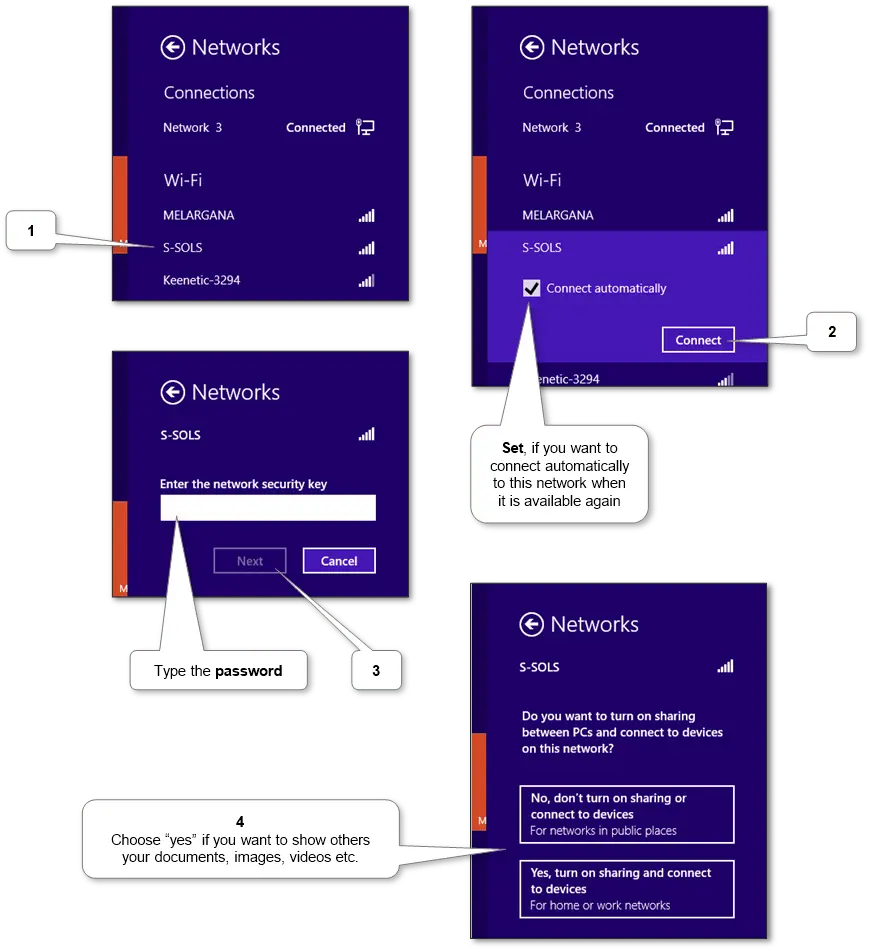
Ensure the adapter is enabled within the system. The adapter icon shouldn’t be grayed out. If not, click on the best mouse button on the adapter and choose “Allow”. If there is no such thing as a adapter icon, you then want to turn Wi-Fi on the device itself.
Subsequent, go to settings by urgent Win + C or maintain the mouse cursor within the upper-right nook of the display screen and open an inventory of accessible networks.
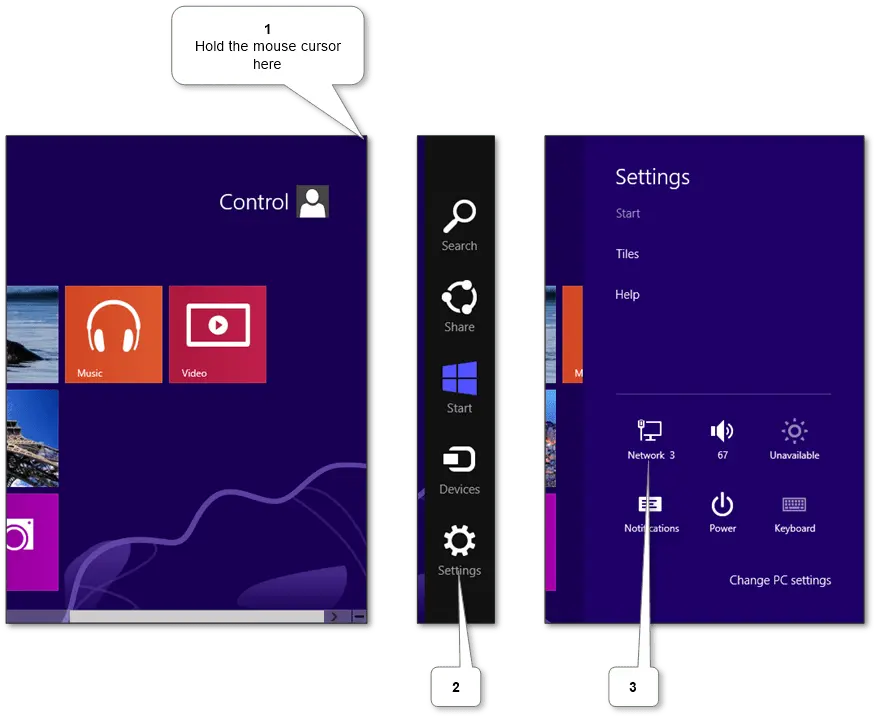
Within the listing choose the Wi-Fi community you want to hook up with and enter the password if essential.
Home windows 7
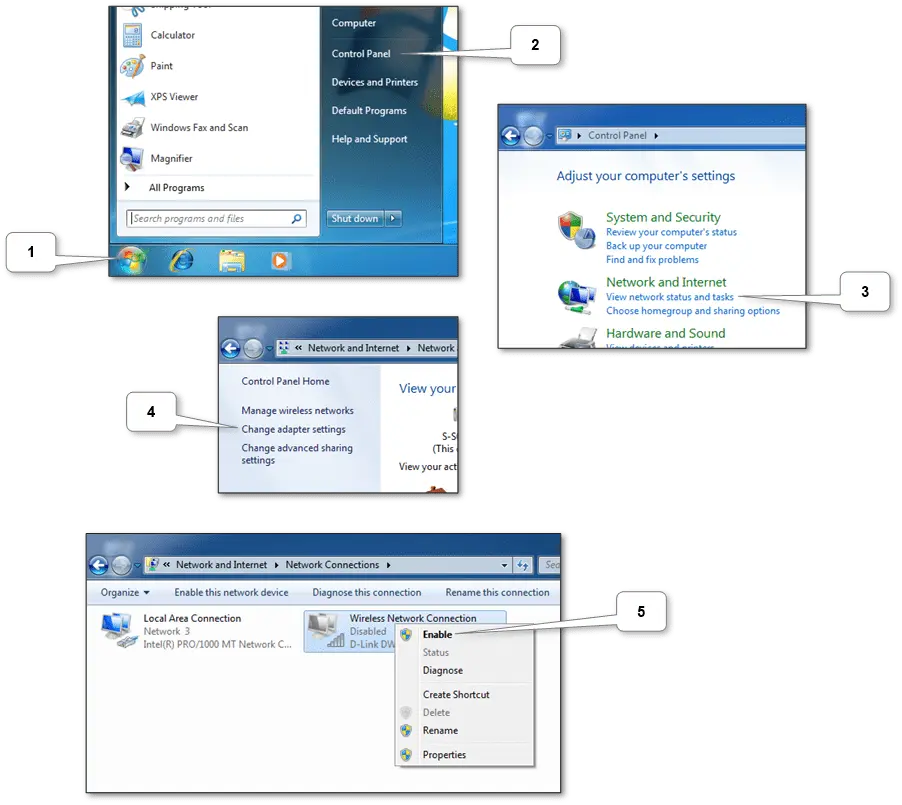
Ensure the adapter is enabled within the system. The adapter icon shouldn’t be grayed out. If not, click on the best mouse button on the adapter and choose “Allow”. If there is no such thing as a adapter icon, you then want to turn Wi-Fi on the device itself.
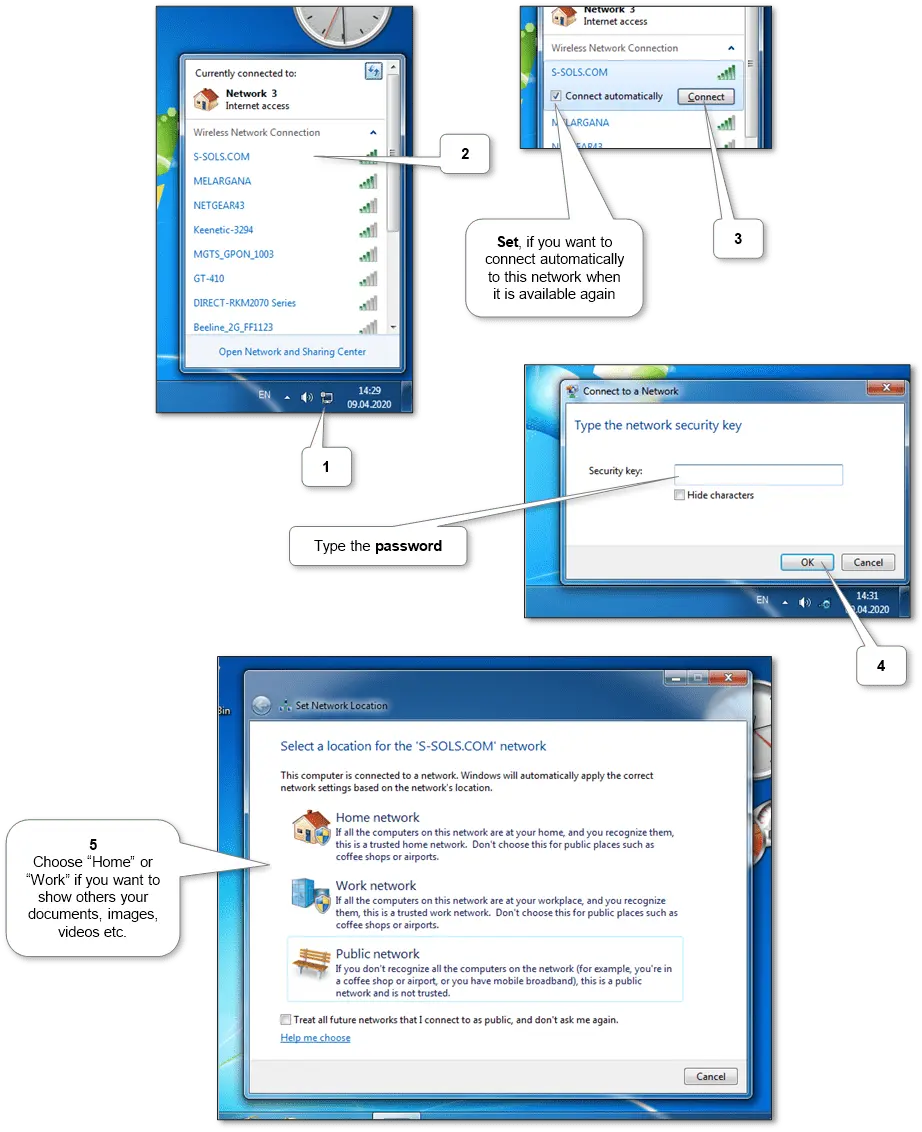
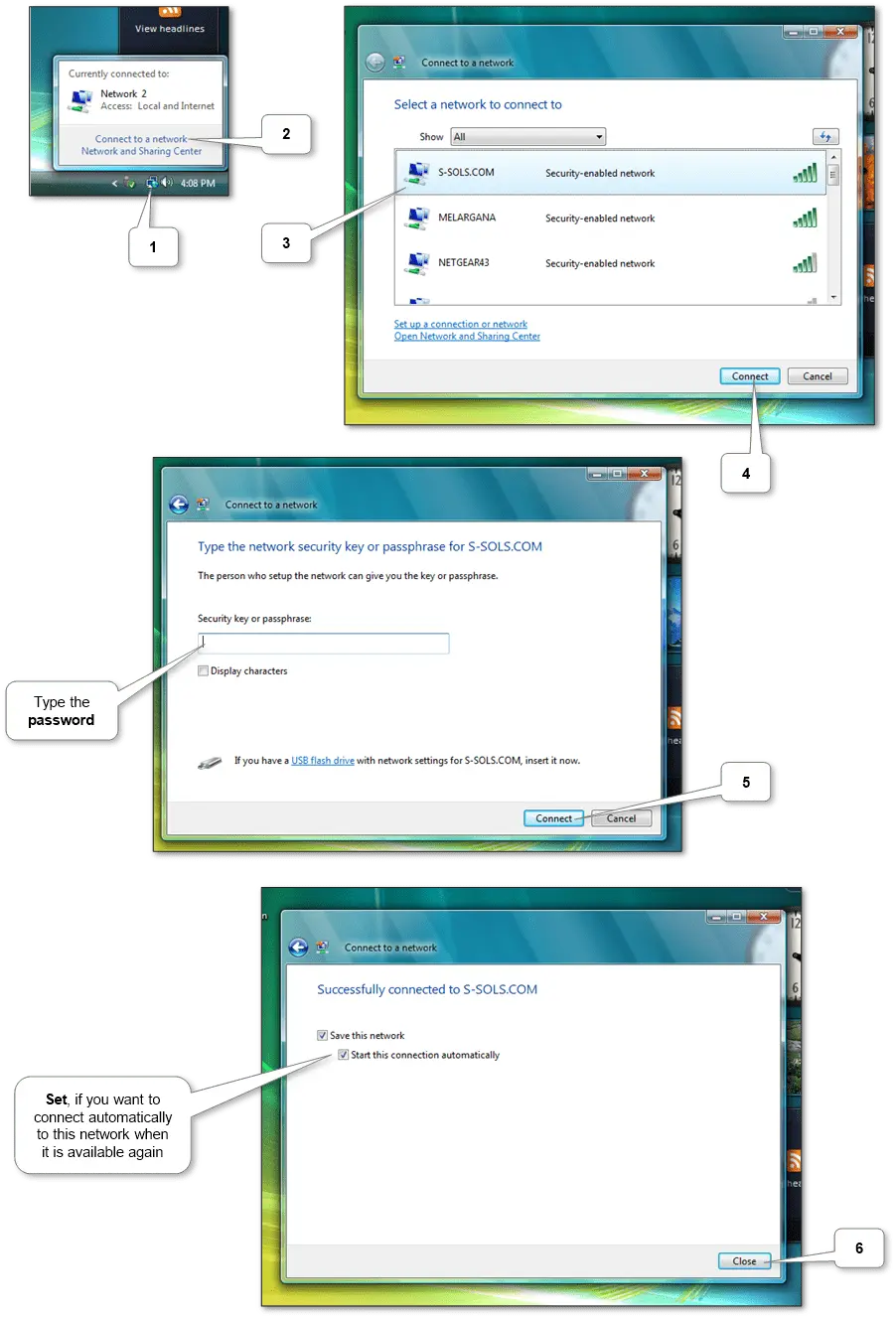
Subsequent, open the listing of accessible networks by clicking the icon within the decrease proper nook (see screenshots under). Within the listing choose the Wi-Fi community you want to hook up with. Then if essential enter the password.
Home windows Vista
Ensure the adapter is enabled within the system. The adapter icon shouldn’t be grayed out. If not, click on the best mouse button on the adapter and choose “Allow”. If there is no such thing as a adapter icon, you then want to turn Wi-Fi on the device itself.
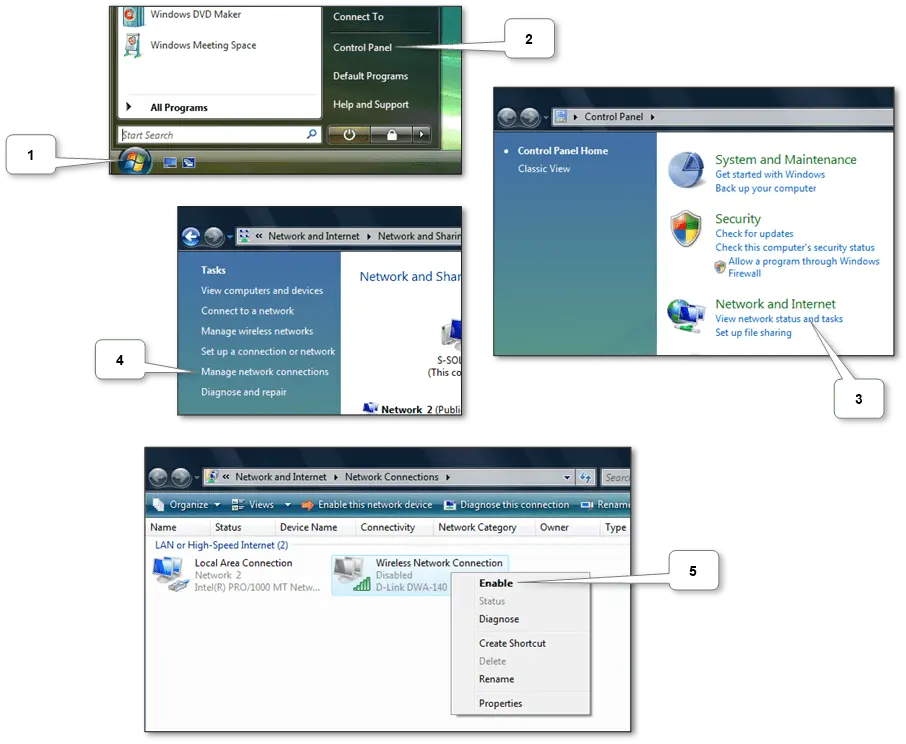
Subsequent, open the listing of accessible networks by clicking the icon within the decrease proper nook (see screenshots under). Within the listing choose the Wi-Fi community you want to hook up with. Then enter the password if essential.
Home windows XP
Ensure the adapter is enabled within the system. The adapter icon shouldn’t be grayed out. If not, click on the best mouse button on the adapter and choose “Allow”. If there is no such thing as a adapter icon, you then want to turn Wi-Fi on the device itself.
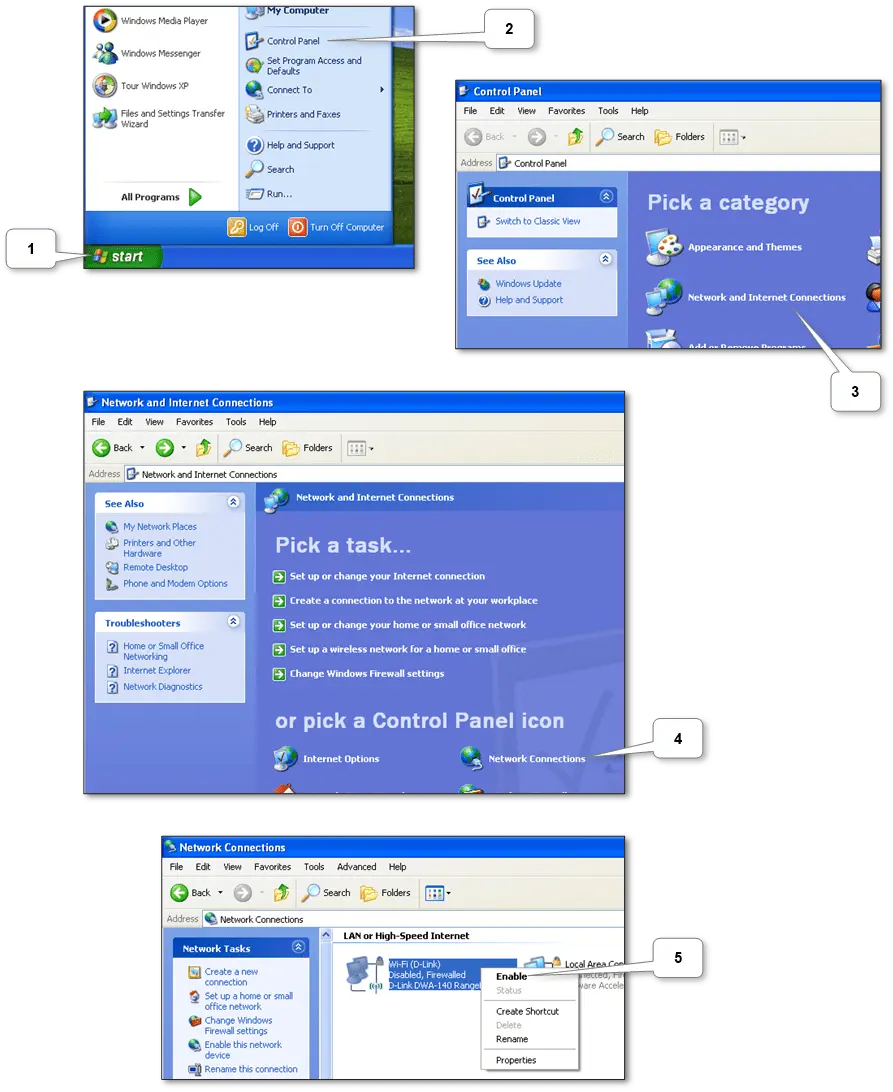
Subsequent, open the listing of accessible networks (see the screenshots under). Within the listing choose the Wi-Fi community you want to hook up with. Then if essential, enter the password.