Table of Contents
- Introduction
- The Trojan Horse Disaster
- Napoleon’s Invasion of Russia
- The Titanic Safety Failure
- The Sale of Alaska
- The Chernobyl Disaster
- The Bay of Pigs Invasion
- Blockbuster Rejecting Netflix
- The New Coke Failure
- The Challenger Space Shuttle Disaster
- Kodak and Digital Photography
- Lessons History Teaches Us
- Frequently Asked Questions
The Dumbest Decisions in History That Changed the World Forever
History is filled with incredible achievements, powerful empires, and revolutionary inventions.
However, history is also filled with terrible decisions that completely changed the course of humanity.
Some mistakes caused economic collapse.
Others destroyed kingdoms, triggered wars, or ruined massive companies.
In many situations, a single bad decision made by one person affected millions of lives for generations.
In this article, we explore some of the dumbest decisions in history and examine how these disastrous mistakes changed the modern world forever.
1. The Trojan Horse Disaster
One of the oldest examples of a disastrous decision comes from the legendary story of Troy.
After years of war, the Greek army appeared to retreat and left behind a giant wooden horse outside the city walls.
Despite warnings from several citizens, the Trojans decided to bring the horse inside the city as a symbol of victory.
To learn more, check our guide on What Would You Do with a Billion US dollars.
During the night, Greek soldiers hidden inside the horse opened the city gates, allowing the invading army to destroy Troy completely.
The story became one of history’s most famous lessons about deception and poor judgment.
2. Napoleon’s Invasion of Russia
In 1812, French emperor Napoleon Bonaparte made one of the greatest military mistakes in history.
Confident in his military strength, Napoleon invaded Russia with more than 600,000 soldiers.
However, the Russian army used a scorched-earth strategy by destroying crops, villages, and supplies while retreating deeper into the country.
French troops soon faced:
- Extreme winter temperatures
- Starvation
- Disease
- Lack of supplies
- Continuous attacks
Only a small percentage of Napoleon’s army survived the campaign.
The failed invasion severely weakened France and marked the beginning of Napoleon’s downfall.
3. The Titanic Safety Failure
The sinking of the RMS Titanic in 1912 remains one of the most tragic disasters in modern history.
The ship was considered “unsinkable,” which created dangerous overconfidence among its operators.
Main Mistakes
- Too few lifeboats
- Ignoring iceberg warnings
- Traveling at excessive speed
- Poor emergency preparation
After colliding with an iceberg, more than 1,500 passengers lost their lives.
The disaster permanently changed maritime safety laws worldwide.
4. Russia Selling Alaska to the United States
In 1867, Russia sold Alaska to the United States for only $7.2 million.
At the time, many believed Alaska was useless frozen land.
Later discoveries proved otherwise.
Alaska’s Massive Resources
- Oil
- Natural gas
- Gold
- Strategic military importance
To learn more, check our guide on Meta Brand Safety.
Today, Alaska is considered one of the most valuable territories in North America.
The sale is now viewed as one of history’s worst geopolitical decisions.
5. The Chernobyl Nuclear Disaster
The 1986 Chernobyl disaster became one of the worst nuclear accidents ever.
A dangerous reactor safety test combined with human error and flawed design caused a catastrophic explosion.
Consequences of the Disaster
- Massive radioactive contamination
- Thousands of illnesses
- Environmental destruction
- Large-scale evacuations
The Soviet government’s delayed response made the disaster even worse.
Chernobyl remains a global warning about poor safety management and negligence.
6. The Bay of Pigs Invasion
In 1961, the United States supported a military invasion of Cuba designed to overthrow Fidel Castro.
The operation quickly became a complete failure.
Main Reasons for Failure
- Poor planning
- Weak intelligence
- Lack of proper military support
- Underestimating Cuban resistance
To learn more, check our guide on Netflix Latest Updates.
The invasion embarrassed the United States internationally and strengthened Castro’s political power.
It also increased tensions during the Cold War.
7. Blockbuster Rejecting Netflix
Not all historical mistakes involve politics or war.
Some of the dumbest decisions happened in business.
In the early 2000s, Netflix offered to sell itself to Blockbuster for approximately $50 million.
To learn more, check our guide on Tesla’s Latest Innovations in 2025:.
Blockbuster executives rejected the offer because they believed online streaming would never replace physical movie rentals.
Years later:
- Netflix became a global entertainment giant
- Blockbuster collapsed completely
This decision became one of the greatest business mistakes in modern history.
8. The New Coke Failure
In 1985, Coca-Cola introduced “New Coke” after changing its classic formula.
The company believed customers preferred the new taste.
Instead, consumers reacted negatively.
To learn more, check our guide on Google AI Overviews Ads.
People had strong emotional attachment to the original formula and demanded its return.
Coca-Cola eventually restored the original recipe.
The incident became a famous lesson in customer loyalty and branding.
9. The Challenger Space Shuttle Disaster
In 1986, the Space Shuttle Challenger exploded shortly after launch.
Investigations later showed that engineers had warned about serious technical issues involving the shuttle’s O-ring seals in cold weather.
Despite these warnings, the launch continued.
All seven crew members lost their lives.
The tragedy highlighted the dangers of ignoring expert concerns and organizational pressure.
10. Kodak and Digital Photography
Kodak once dominated the photography industry worldwide.
Ironically, Kodak engineers invented one of the first digital cameras.
To learn more, check our guide on Top Financial Apps for Money Management.
However, company leadership feared digital technology would destroy their film business.
Instead of adapting quickly, Kodak delayed innovation.
As digital photography became popular:
- Competitors expanded rapidly
- Film sales collapsed
- Kodak lost market dominance
Kodak eventually filed for bankruptcy.
The company became one of the greatest examples of failing to adapt to technological change.
Lessons History Continues to Teach Us
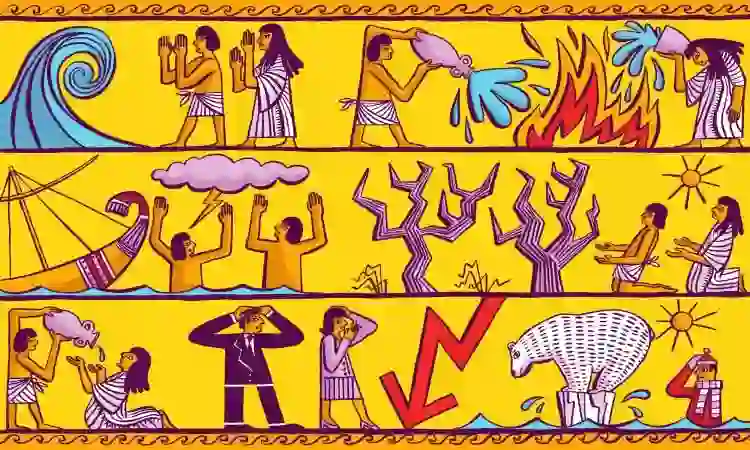
Although these events happened in different eras, they all share similar patterns.
Common Causes of Historical Mistakes
- Overconfidence
- Ignoring expert advice
- Fear of change
- Poor planning
- Political pressure
- Human arrogance
History repeatedly shows that even powerful leaders and successful companies can fail because of poor decisions.
To learn more, check our guide on NVIDIA Artificial Intelligence.
Understanding these mistakes helps modern societies avoid repeating them.
Final Thoughts
The dumbest decisions in history were not always caused by lack of intelligence.
In many cases, they happened because leaders ignored warnings, underestimated risks, or became blinded by ambition and pride.
From ancient wars to modern business failures, history continues to remind humanity that a single bad decision can completely change the future.
Learning from these mistakes is one of the most important ways to build a smarter future.
Frequently Asked Questions
What is considered one of the dumbest decisions in history?
Napoleon’s invasion of Russia and the Titanic safety failures are commonly considered among the worst decisions in history.
Why do leaders continue making historical mistakes?
Overconfidence, political pressure, poor communication, and ignoring experts often contribute to major failures.
What is one of the biggest business mistakes ever?
Blockbuster rejecting Netflix is widely viewed as one of the greatest business mistakes in modern history.
Why is studying historical mistakes important?
Studying history helps societies avoid repeating dangerous decisions and improves future planning.
What lesson appears most often in historical disasters?
Ignoring warnings and underestimating risks are common factors in many historical catastrophes.