Table of Contents
Search Engine Optimization (SEO) is one of the most important digital marketing skills in the modern online world.
Whether you own a blog, an online store, a business website, or a content platform, SEO helps your website appear higher in search engine results.
When your website ranks well on Google and other search engines, more people can discover your content naturally through organic search traffic.
Today, millions of websites compete for visibility online, making SEO essential for long-term digital success.
In this beginner-friendly guide, you will learn how SEO works, why it matters, how search engines rank websites, and the most important SEO factors that influence rankings in 2026.

What Is SEO?
SEO stands for Search Engine Optimization.
It is the process of improving a website so that search engines can better understand, index, and rank its content.
The goal of SEO is to increase a website’s visibility in search engine results pages (SERPs).
Main Goals of SEO
- Increase organic traffic
- Improve website visibility
- Reach targeted audiences
- Build authority and trust
- Generate leads and sales
Unlike paid advertising, SEO focuses on attracting free long-term traffic from search engines.
Why SEO Is Important
SEO is important because most online experiences begin with a search engine.
People use Google every day to search for:
- Information
- Products
- Services
- Tutorials
- Reviews
- Local businesses
If your website does not appear in search results, potential visitors may never find your content.
Benefits of SEO
- More organic website traffic
- Better brand visibility
- Increased credibility
- Improved user experience
- Long-term traffic growth
SEO helps websites attract visitors who are actively searching for relevant information.

How Search Engines Work
Search engines such as Google follow three major processes:
- Crawling
- Indexing
- Ranking
Understanding these processes is essential for learning SEO.
Crawling Explained
Search engines use automated bots called crawlers or spiders to scan websites across the internet.
These bots discover:
- New web pages
- Updated content
- Links between pages
Crawlers continuously move from one webpage to another by following hyperlinks.
Why Crawling Matters
If search engines cannot crawl your website properly, your pages may never appear in search results.
Good website structure helps crawlers access and understand your content more efficiently.

Indexing Explained
After discovering a webpage, search engines analyze and store its information in a massive database called the index.
The index contains billions of web pages.
What Search Engines Analyze
- Page content
- Keywords
- Images
- Metadata
- Links
- Website structure
If a page is not indexed, it cannot appear in search engine results.
How Ranking Works
When users search for information, search engines analyze indexed pages and rank them according to relevance and quality.
Google uses complex algorithms with hundreds of ranking factors.
Search Engines Evaluate:
- Content relevance
- Page quality
- User experience
- Website authority
- Page speed
- Mobile optimization
The goal is to deliver the most useful and trustworthy results to users.
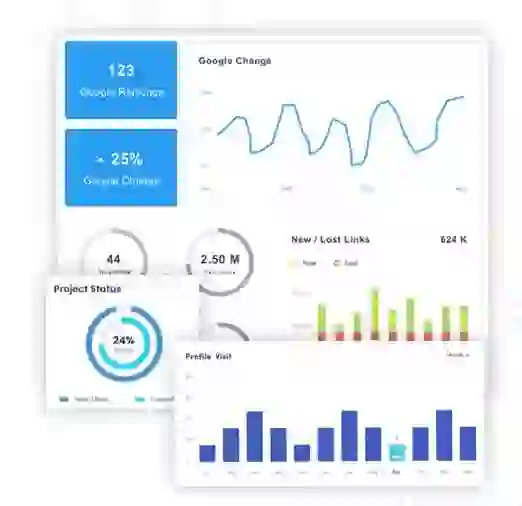
Key SEO Ranking Factors
Although Google’s algorithms are highly complex, several major ranking factors remain especially important.
1. High-Quality Content
Content is one of the most important SEO factors.
Helpful, original, and informative content performs better in search results.
2. Relevant Keywords
Keywords help search engines understand your content topic.
3. Website Speed
Fast-loading websites improve user experience and SEO performance.
4. Mobile-Friendly Design
Most internet users browse on mobile devices, making responsive design essential.
5. Internal Links
Internal linking helps search engines discover related content across your website.
High-Quality Content and SEO
Google prioritizes content that provides real value to users.
Characteristics of Strong SEO Content
- Original information
- Clear structure
- Good readability
- Updated information
- Helpful answers to user questions
Long-form content often performs better because it covers topics in greater depth.
However, quality always matters more than word count alone.
Keyword Optimization
Keywords are words and phrases people type into search engines.
SEO writers strategically include keywords throughout content.
Important Keyword Placement Areas
- Article title
- Headings
- First paragraph
- Meta description
- URL slug
- Image alt text
However, keyword stuffing should always be avoided.
Modern SEO focuses on natural language and user intent.

Technical SEO Basics
Technical SEO improves how search engines access and understand websites.
Important Technical SEO Elements
- Website speed optimization
- Secure HTTPS connection
- Mobile responsiveness
- Structured data
- XML sitemaps
- Clean website architecture
Technical SEO supports better crawling, indexing, and user experience.
Internal Linking Strategy
Internal links connect related pages within the same website.
Benefits of Internal Linking
- Improves navigation
- Distributes SEO authority
- Helps search engines crawl pages
- Increases user engagement
Strong internal linking structures improve overall website SEO performance.
The Future of SEO
SEO continues evolving rapidly as search engines become smarter.
Future SEO trends may include:
- AI-powered search results
- Voice search optimization
- Video SEO growth
- User experience signals
- Search intent analysis
Content creators who focus on expertise, quality, and user satisfaction will likely continue succeeding in future search environments.
Final Thoughts
SEO is essential for anyone who wants to grow online visibility and attract long-term website traffic.
By understanding how search engines work and focusing on quality content, keyword optimization, and technical improvements, website owners can significantly improve their rankings.
SEO is not about manipulating search engines — it is about helping users find useful information quickly and efficiently.
The better your website serves visitors, the stronger your SEO performance will become over time.
Frequently Asked Questions
What does SEO stand for?
SEO stands for Search Engine Optimization.
Why is SEO important?
SEO helps websites appear higher in search engine results and attract more organic traffic.
What are the main SEO ranking factors?
Major factors include high-quality content, keywords, website speed, mobile optimization, and internal links.
How long does SEO take to work?
SEO results often take several months depending on competition and website quality.
Can beginners learn SEO?
Yes, SEO is beginner-friendly and can be learned gradually through practice and experience.Search Engine Optimization (SEO) is the process of improving a website so it appears higher in search engine results. When your website ranks higher on Google, more people can find your content.
SEO is one of the most important skills for bloggers, businesses, and website owners.
Why SEO Is Important
SEO helps websites:
-
Increase organic traffic
-
Improve visibility on search engines
-
Build credibility and trust
-
Attract the right audience
Without SEO, even great content may remain invisible online.
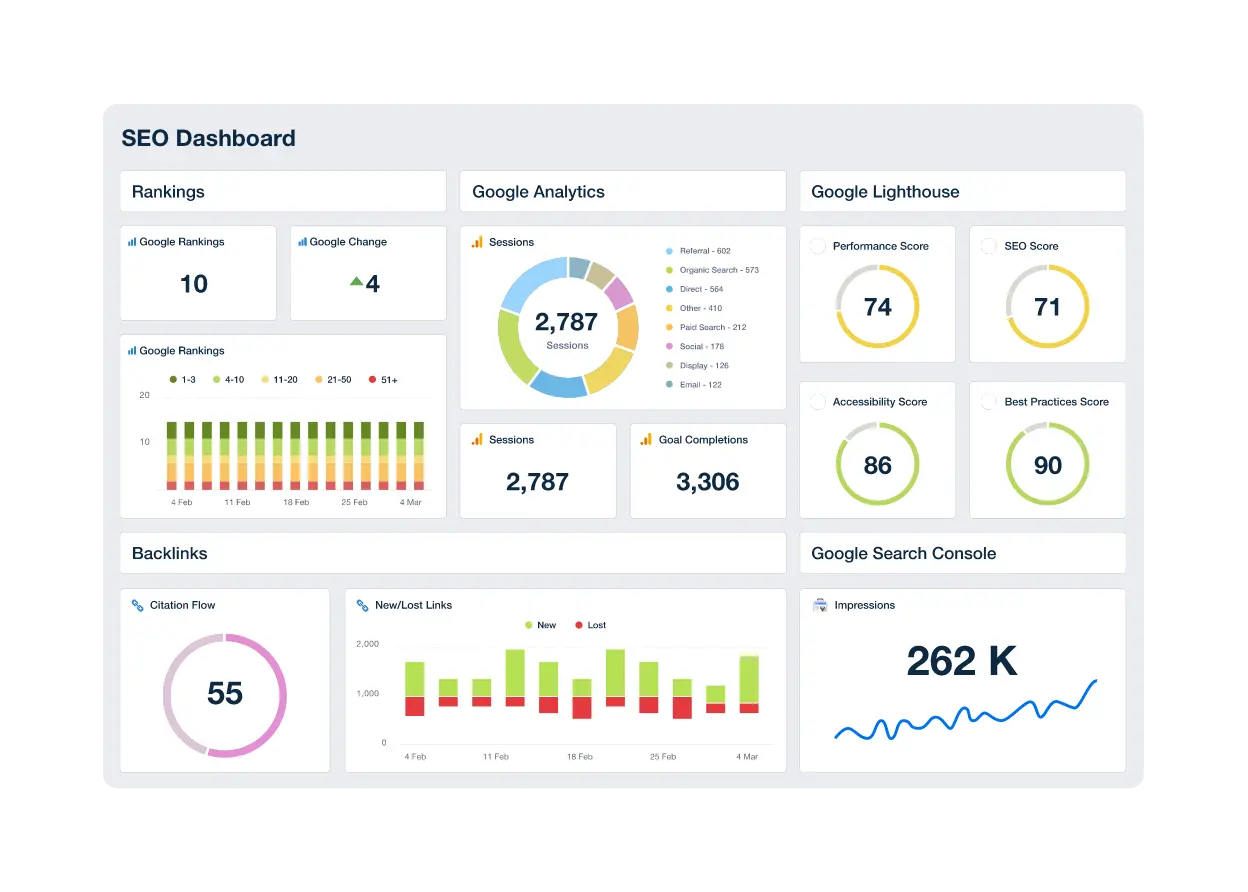
How Search Engines Work
Search engines like Google follow three main steps:
-
Crawling
-
Indexing
-
Ranking
Crawling
Search engines use automated bots called crawlers to scan websites and discover new pages.
Indexing
After discovering a page, the search engine stores its information in a massive database called an index.
Ranking
When someone searches for information, Google analyzes the indexed pages and ranks them based on relevance and quality.
Key SEO Factors
Some of the most important ranking factors include:
-
High-quality content
-
Relevant keywords
-
Fast website speed
-
Mobile-friendly design
-
Internal links
Conclusion
SEO is essential for anyone who wants to succeed online. By creating helpful content and optimizing your website properly, you can improve your search engine rankings and attract more visitors.