Table of Contents
- Introduction
- What Makes a Creature Dangerous?
- Why Humans Are Different From Other Species
- The History of Human Violence
- Environmental Destruction and Climate Change
- Technology: Humanity’s Greatest Achievement and Threat
- The Psychology Behind Human Behavior
- Wars and Global Conflicts
- Social Media and Information Manipulation
- The Future of Humanity
- Can Humanity Change?
- Frequently Asked Questions
Throughout history, humans have feared dangerous animals.
From venomous snakes and giant sharks to lions and crocodiles, nature contains countless predators capable of causing fear and destruction.
However, when we truly examine the history of Earth and the impact of living creatures on the planet, one surprising reality becomes impossible to ignore:
Humans themselves may be the most dangerous creatures ever to exist.
Unlike wild animals, humans possess advanced intelligence, technology, emotions, and the ability to reshape the world around them.
Humanity built civilizations, explored space, invented medicine, and transformed modern life.
Yet the same species responsible for incredible achievements also created:
- Wars
- Pollution
- Nuclear weapons
- Environmental destruction
- Climate change
- Mass extinction
This article explores why humans are often considered the most dangerous creatures on Earth and examines the complex relationship between intelligence, power, progress, and destruction.
What Makes a Creature Dangerous?
When most people think about dangerous creatures, they usually focus on physical strength.
Animals become feared because they can:
- Hunt humans
- Inject venom
- Spread diseases
- Attack violently
To learn more, check our guide on The Dumbest Decisions in History
But true danger is not only about physical attacks.
A truly dangerous species is capable of:
- Destroying ecosystems
- Causing mass suffering
- Changing the planet itself
- Threatening future generations
By this definition, humanity stands above every other species on Earth.
No animal has altered the planet on the same scale as humans.
Why Humans Are Different From Other Species
Humans possess one extraordinary ability that separates them from nearly all other living creatures:
Advanced self-awareness and intelligence.
Humans created:
- Language
- Governments
- Technology
- Religions
- Science
- Artificial intelligence
This intelligence allowed humanity to dominate Earth.
To learn more, check our guide on What Would You Do with a Billion US dollars.
But domination came with consequences.
Unlike predators that kill mainly for survival, humans often destroy for:
- Profit
- Power
- Politics
- Greed
- Ideology
Humans can intentionally reshape environments, economies, and societies.
This ability makes humanity uniquely dangerous.
The History of Human Violence
Violence has existed throughout human history.
Ancient civilizations expanded through conquest and warfare.
Empires fought for:
- Land
- Resources
- Religious control
- Political dominance
Over centuries, warfare became increasingly destructive.
The 20th century witnessed some of the deadliest events in human history.
To learn more, check our guide on Top 10 Richest People.
World War I and World War II caused tens of millions of deaths.
Nuclear weapons introduced a terrifying possibility:
Humanity gained the power to destroy civilization itself.
No species in history ever possessed such destructive capability.
Environmental Destruction and Climate Change
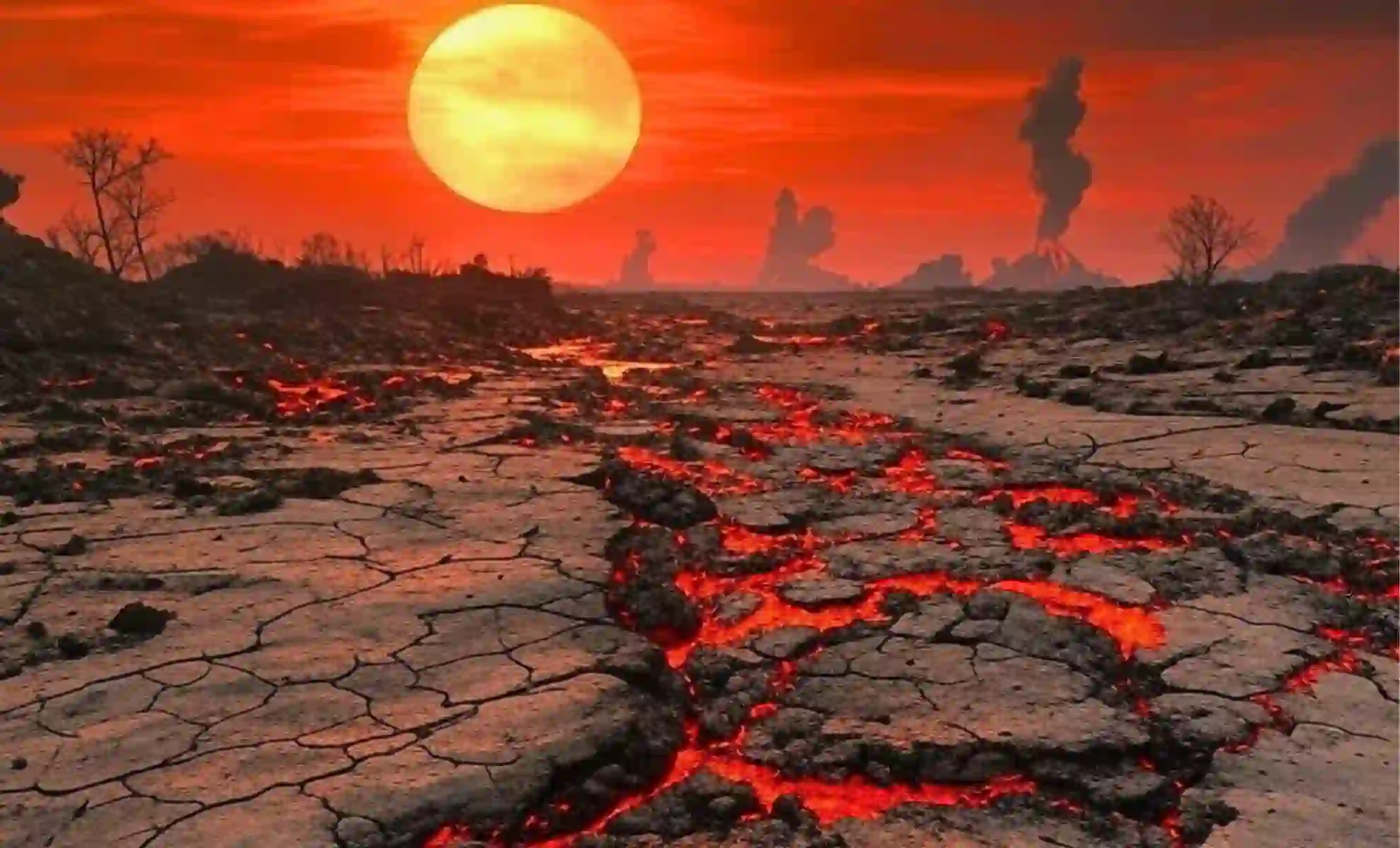
Perhaps humanity’s greatest danger comes from environmental destruction.
Modern civilization depends heavily on:
- Industrial production
- Fossil fuels
- Mass agriculture
- Deforestation
- Resource extraction
To learn more, check our guide on NASA Latest Missions.
While these systems improved living standards, they also damaged Earth’s ecosystems.
Major Environmental Problems
- Climate change
- Air pollution
- Ocean pollution
- Deforestation
- Species extinction
- Water contamination
Scientists warn that global temperatures continue rising due to greenhouse gas emissions.
Extreme weather events are becoming more common worldwide.
Unlike natural disasters, many environmental problems are directly linked to human activity.
This makes humanity both the creator and potential victim of global environmental crises.
Technology: Humanity’s Greatest Achievement and Threat
Technology transformed civilization dramatically.
Humans invented:
- Electricity
- Computers
- The internet
- Artificial intelligence
- Advanced medicine
- Space exploration
These innovations improved billions of lives.
However, technology also created new dangers.
Technological Risks
- Cybercrime
- Mass surveillance
- Autonomous weapons
- Information manipulation
- AI ethical concerns
Technology itself is neutral.
The real danger depends on how humans choose to use it.
The same scientific knowledge that cures diseases can also create devastating weapons.
The Psychology Behind Human Behavior
Human psychology plays a major role in shaping civilization.
People experience emotions such as:
- Fear
- Greed
- Anger
- Jealousy
- Ambition
These emotions influence governments, economies, and societies.
Many global problems originate not from lack of intelligence but from human behavior itself.
Examples
- Greed may lead to corruption.
- Fear may create violence.
- Hatred can divide societies.
- Power can corrupt leadership.
Even advanced civilizations remain vulnerable to emotional instability.
Wars and Global Conflicts
Wars remain one of the clearest examples of humanity’s destructive potential.
Modern conflicts affect entire populations through:
- Economic collapse
- Food shortages
- Mass displacement
- Infrastructure destruction
- Psychological trauma
Nuclear weapons continue to represent one of the greatest threats to civilization.
Even a limited nuclear war could trigger global environmental catastrophe.
The existence of such weapons proves how dangerous human intelligence can become when combined with conflict.
Social Media and Information Manipulation
The rise of social media changed human communication forever.
Billions of people now receive information instantly.
While this created opportunities for education and connection, it also introduced serious problems.
Modern Digital Risks
- Misinformation
- Propaganda
- Psychological manipulation
- Polarization
- Online hate campaigns
Algorithms often reward emotional reactions and controversy.
As a result, social divisions sometimes become stronger.
Information itself has become a powerful weapon.
Economic Greed and Resource Exploitation
Modern economies created enormous wealth and technological progress.
However, economic systems can also encourage excessive consumption and environmental damage.
Many industries prioritize short-term profit over long-term sustainability.
Examples Include
- Overfishing
- Industrial pollution
- Deforestation
- Worker exploitation
- Environmental destruction
Despite massive global wealth, millions of people still live in poverty.
This imbalance contributes to instability and social tension worldwide.
Climate Change and the Future of Earth
Climate change is one of the most important challenges facing humanity today.
Scientists warn about:
- Rising temperatures
- Sea level rise
- Extreme weather
- Wildfires
- Droughts
- Ecosystem collapse
Human activity is considered the primary driver of modern climate change.
If environmental damage continues unchecked, future generations may face severe consequences.
The future of Earth now depends heavily on human decisions.
The Future of Humanity
The future of civilization remains uncertain.
Humanity stands at a critical turning point.
Possible Positive Future
- Renewable energy expansion
- Scientific breakthroughs
- Global cooperation
- Environmental recovery
- Advanced medicine
Possible Negative Future
- Climate collapse
- Resource shortages
- Global conflicts
- Economic instability
- Technological misuse
The path humanity chooses will determine the future of civilization.
Can Humanity Change?
Despite humanity’s destructive history, people are also capable of extraordinary compassion and innovation.
Across the world, scientists, activists, educators, and organizations work daily to solve global problems.
Human civilization achieved incredible progress through:
- Medicine
- Education
- Science
- Human rights movements
- International cooperation
The same intelligence capable of destruction can also create solutions.
Humanity’s future depends on whether societies choose responsibility over greed and cooperation over conflict.
Lessons Humanity Must Learn
History repeatedly demonstrates that civilizations collapse when they fail to adapt.
Humanity must learn important lessons:
- Technology requires ethics.
- Economic growth must be sustainable.
- Environmental protection is essential.
- Education shapes future generations.
- Global cooperation is necessary.
The survival of civilization may depend not only on intelligence but also on wisdom.
Humanity’s Positive Achievements
Although this article focuses on humanity’s dangers, it is equally important to recognize human achievements.
Humans created:
- Art
- Music
- Literature
- Scientific discoveries
- Life-saving medicine
- Space exploration
People help strangers during disasters.
Doctors save lives daily.
Scientists search for cures to deadly diseases.
The same species capable of destruction is also capable of extraordinary kindness.
This contradiction makes humanity both dangerous and remarkable.

Final Thoughts
Humans are unlike any other species on Earth.
They transformed the planet through intelligence, technology, and civilization.
However, the same abilities that created progress also created destruction.
Humanity may truly be the most dangerous creature on Earth—not because of physical strength, but because of its ability to reshape the world itself.
Yet there is still hope.
Humans are capable of learning, adapting, and improving.
The future depends on whether humanity chooses cooperation instead of conflict and responsibility instead of destruction.
Ultimately, the greatest threat to civilization may not come from nature or technology.
It may come from humanity itself.
Frequently Asked Questions
Why are humans considered the most dangerous creatures on Earth?
Humans are considered dangerous because they can alter ecosystems, create wars, develop destructive technologies, and significantly impact the planet.
How does humanity affect climate change?
Human activities such as burning fossil fuels and deforestation release greenhouse gases that contribute to global warming.
Can humanity solve global environmental problems?
Yes. Through science, renewable energy, education, and international cooperation, many environmental challenges can be reduced.
What role does technology play in human danger?
Technology can improve life but may also create risks such as cyberwarfare, surveillance, and advanced weapons.
Is there hope for the future?
Many scientists and organizations are working toward sustainability and global solutions, offering hope for future generations.