Table of Contents
- What Are Open-Source Operating Systems?
- Why Open-Source Systems Are Becoming Popular
- Open-Source vs Closed-Source Software
- Transparency and Security Benefits
- Flexibility and Customization
- Growth of Open-Source Software in Saudi Arabia
- Most Popular Open-Source Operating Systems
- Benefits for Businesses and Organizations
- How to Choose the Right Open-Source OS
- The Future of Open-Source Operating Systems
- Frequently Asked Questions
Open-source operating systems have become one of the fastest-growing segments in the global technology industry.
Millions of users worldwide are increasingly moving toward open-source solutions because of their transparency, flexibility, security, and cost efficiency.
Unlike proprietary systems, open-source operating systems allow users to access and modify the source code freely, creating a higher level of trust and innovation.
In countries such as :contentReference[oaicite:2]{index=2}, open-source adoption is growing rapidly due to digital transformation initiatives and technology-focused programs connected to Vision 2030. :contentReference[oaicite:3]{index=3}
This guide explores why open-source operating systems are becoming increasingly popular, how they compare to closed-source alternatives, and why businesses and individuals continue adopting them.
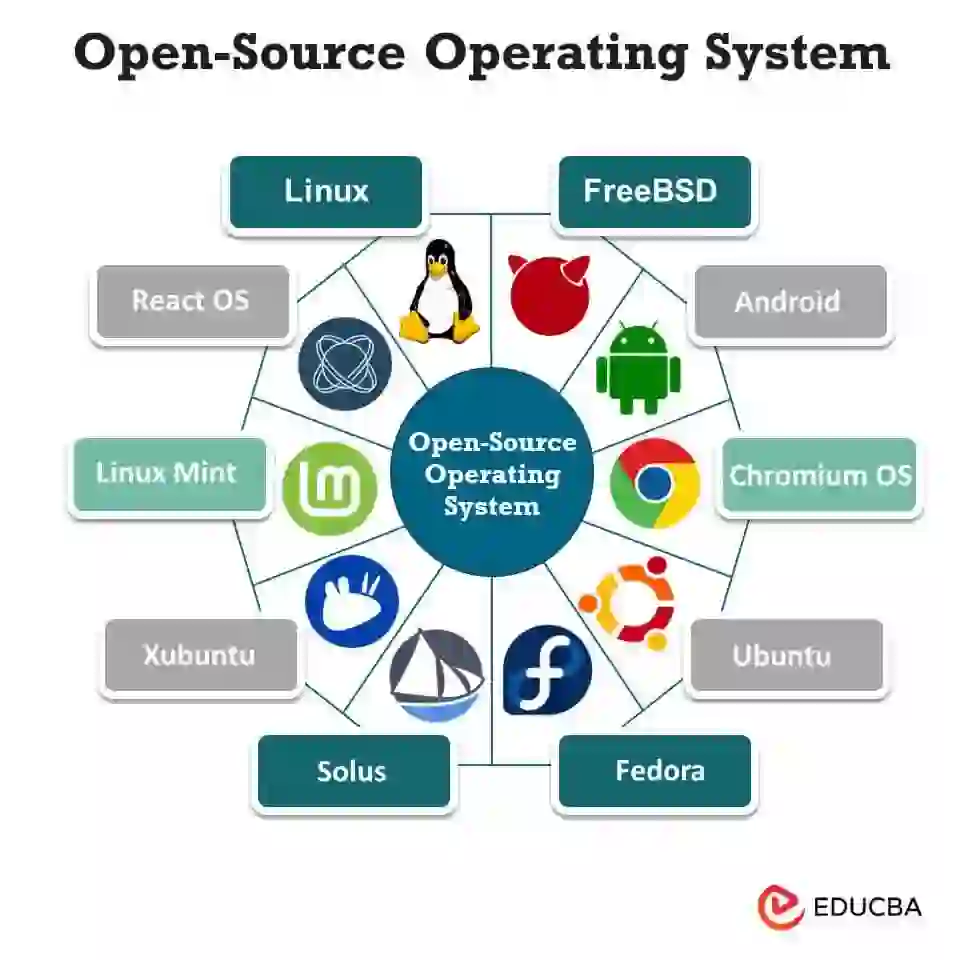
What Are Open-Source Operating Systems?
Open-source operating systems are systems whose source code is publicly available for users and developers to inspect, modify, and distribute freely.
These systems are built on the philosophy of collaboration and transparency.
Key Characteristics of Open-Source Systems
- Publicly accessible source code
- Community-driven development
- Freedom to modify software
- Free redistribution
- Collaborative innovation
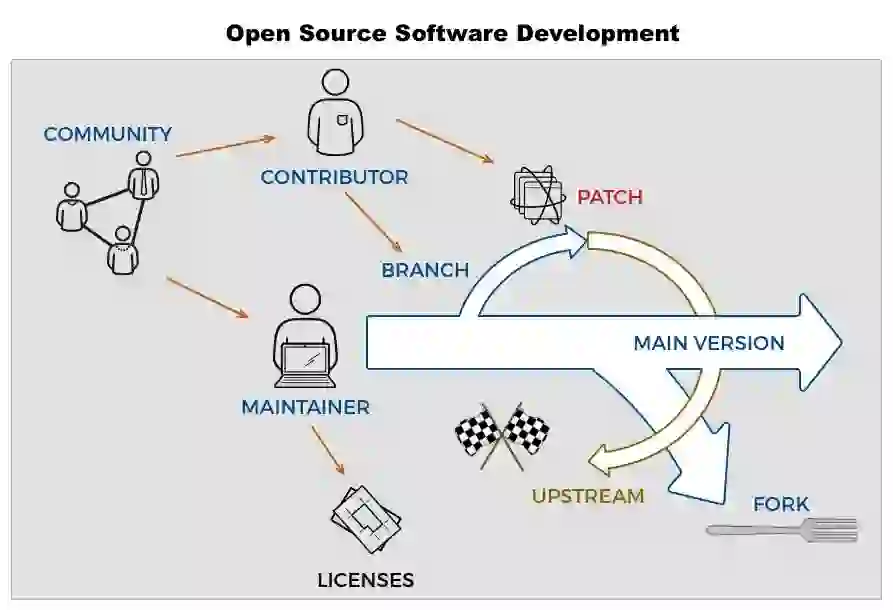
The open-source model encourages developers worldwide to contribute improvements, identify vulnerabilities, and create new features continuously. :contentReference[oaicite:4]{index=4}
Why Open-Source Systems Are Becoming Popular
Open-source operating systems continue gaining popularity because users increasingly value:
- Privacy
- Security
- Control
- Transparency
- Lower software costs
As cybersecurity concerns grow globally, users want greater visibility into how their systems operate and handle personal data.
Open-source systems provide this transparency because anyone can inspect the codebase directly.
Open-Source vs Closed-Source Software
The main difference between open-source and closed-source systems lies in code accessibility.
Open-Source Software
- Source code is public
- Users can modify the system
- Community collaboration improves software
- Typically lower cost
Closed-Source Software
- Source code is private
- Modifications are restricted
- Updates controlled by the company
- Usually commercial licensing
Many users prefer open-source systems because they reduce dependency on large corporations while increasing software transparency.
Transparency and Security Benefits
Security is one of the strongest reasons users trust open-source operating systems.
Why Transparency Improves Security
- Anyone can inspect the code
- Security vulnerabilities are identified faster
- Community auditing improves reliability
- Malicious code is easier to detect
Because thousands of developers continuously review open-source projects, vulnerabilities are often discovered and fixed rapidly. :contentReference[oaicite:5]{index=5}
This collaborative security model has helped many open-source operating systems build strong reputations in cybersecurity.
Flexibility and Customization
One of the greatest advantages of open-source systems is flexibility.
Users can customize the operating system to match their specific needs, whether for:
- Personal computing
- Business environments
- Servers
- Cloud infrastructure
- Educational institutions
Developers can remove unnecessary features, optimize performance, and create highly specialized environments.
This level of customization is rarely available in proprietary operating systems.
Growth of Open-Source Software in Saudi Arabia
:contentReference[oaicite:6]{index=6} has seen significant growth in open-source software adoption in recent years.
Government initiatives linked to Vision 2030 have encouraged:
- Digital transformation
- Local software development
- Cybersecurity improvement
- Technology education
- Research and innovation
Statistics indicate rising adoption rates among businesses, developers, and educational institutions. :contentReference[oaicite:7]{index=7}
Factors Driving Adoption
- Lower operational costs
- Local technology independence
- Strong developer communities
- Improved cybersecurity awareness

Most Popular Open-Source Operating Systems
Several open-source operating systems dominate global markets.
:contentReference[oaicite:8]{index=8}
Linux powers servers, cloud platforms, enterprise systems, and personal computers worldwide.
Popular Linux Distributions
- :contentReference[oaicite:9]{index=9}
- :contentReference[oaicite:10]{index=10}
- :contentReference[oaicite:11]{index=11}
- Linux Mint
- Manjaro
:contentReference[oaicite:12]{index=12}
Android is one of the world’s most widely used open-source operating systems for mobile devices.
Its flexibility allows manufacturers to customize devices extensively.
Benefits for Businesses and Organizations
Businesses increasingly adopt open-source operating systems because they offer:
- Reduced licensing costs
- Improved scalability
- Better server performance
- Advanced customization options
- Long-term sustainability
Many enterprises also appreciate the ability to avoid vendor lock-in.
Why Enterprises Use Linux Servers
- High stability
- Strong security
- Excellent cloud compatibility
- Reliable performance under heavy workloads
Today, most modern web servers and cloud infrastructures run on Linux-based systems.
How to Choose the Right Open-Source OS
Choosing the best operating system depends on your technical requirements and experience level.
Questions to Ask Before Choosing
- Will the system be used personally or commercially?
- Do you need beginner-friendly software?
- What hardware are you using?
- Do you need gaming support?
- What software compatibility is required?
Best Options for Beginners
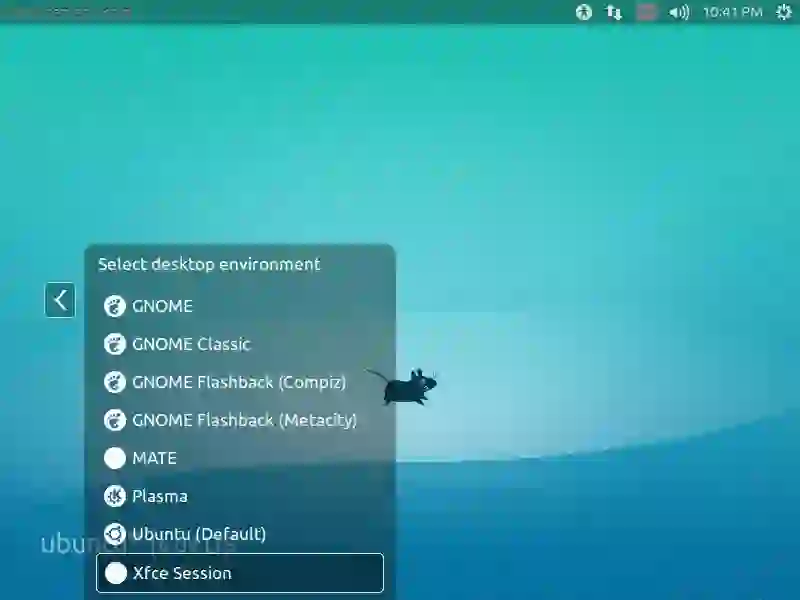
- Ubuntu
- Linux Mint
- Fedora Workstation
Best Options for Advanced Users
- Arch Linux
- Debian
- Red Hat Enterprise Linux
The Future of Open-Source Operating Systems
The future of open-source operating systems looks extremely promising.
As digital transformation accelerates worldwide, organizations increasingly seek:
- Flexible infrastructure
- Secure systems
- Cloud-native solutions
- Transparent software ecosystems
Open-source software is expected to continue expanding across:
- Artificial intelligence
- Cloud computing
- Cybersecurity
- Internet of Things (IoT)
- Enterprise infrastructure
With growing global communities and constant innovation, open-source systems are likely to play an even larger role in future technology ecosystems.
Final Thoughts
Open-source operating systems have evolved from niche developer tools into powerful platforms trusted by millions of users worldwide.
Their combination of:
- Transparency
- Security
- Customization
- Performance
- Cost efficiency
makes them highly attractive for both personal and enterprise use.
As countries like :contentReference[oaicite:13]{index=13} continue investing in digital transformation and local technology ecosystems, open-source software adoption is expected to grow even faster.
Whether you are an individual user, developer, student, or business owner, open-source operating systems provide flexible and sustainable solutions for the modern digital world.
Frequently Asked Questions
What are open-source operating systems?
Open-source operating systems are systems whose source code is publicly available for modification and redistribution.
Why are open-source systems considered secure?
Their source code can be publicly audited, allowing vulnerabilities to be identified and fixed quickly.
What is the most popular open-source operating system?
Linux is the most widely used open-source operating system family.
Can businesses use open-source operating systems?
Yes, many businesses use Linux-based systems for servers, cloud infrastructure, and enterprise environments.
Is Android open source?
Yes, Android is based on the Android Open Source Project (AOSP).
Any such transparency enhances belief amongst customers, as they’ll confirm the system’s safety and the absence of malware.
On this approach, open-source working programs acquire the belief of customers and improve their recognition.
What are open-source working programs?
Open-source working programs are a preferred alternative for customers searching for flexibility and safety. They provide customers the liberty to entry and modify the supply code to swimsuit their wants.
Definition of open-source software program
Open-source software program is software program whose supply code is made obtainable to customers, permitting them to see how the software program works, modify it, and distribute it. Any such software program is predicated on the precept of collaboration and sharing amongst builders.
The distinction between open-source and closed-source software program
Open-source software program permits customers to entry and modify the supply code, whereas closed-source software program doesn’t. The principle distinction lies within the freedom to change and distribute.
Freedom to change and distribute
One of many foremost benefits of open-source working programs is the liberty to change and distribute them. You may modify the supply code to fit your particular wants and distribute the modified model.
Collaborative Improvement Mannequin
Open-source working programs depend on a collaborative improvement mannequin, the place a number of builders take part in enhancing and growing the system. This mannequin enhances software program high quality and will increase the pace of bug fixes.

The rising recognition of open-source working programs in Saudi Arabia
Latest statistics on the usage of open programs
Latest statistics point out a big improve in the usage of open-source working programs in Saudi Arabia. These statistics replicate a rising consciousness of the benefits of open-source software program.
| Yr | Utilization charge | Variety of customers |
|---|---|---|
| 2022 | 25% | 1,000,000 |
| 2023 | 30% | 1,200,000 |
Imaginative and prescient 2030 initiatives supporting open-source software program
Imaginative and prescient 2030 contains a number of initiatives to help open-source software program, with the goal of selling technological innovation and digital independence.
- Supporting analysis and improvement within the subject of open-source software program
- Encouraging native corporations to undertake open-source options
- Offering coaching and schooling within the subject of open-source software program
Saudi corporations adopting open-source options
Numerous main Saudi corporations have adopted open-source options, reflecting their confidence in these applied sciences.
Open-source working programs and elements that acquire consumer belief
Transparency and safety are among the many key elements that contribute to gaining consumer belief in open-source working programs. A number of parts play a big position in fostering this belief.
Transparency and safety
Transparency is likely one of the key benefits of open-source working programs. Customers can study the supply code to make sure there aren’t any safety vulnerabilities.
Capability to examine supply code
Customers and cybersecurity professionals can study the supply code of open-source working programs, rising customers’ confidence that the system is safe.
Pace of addressing safety vulnerabilities
Because of the big group of builders, safety vulnerabilities are found and addressed shortly, enhancing system safety.
Flexibility in customization
Open-source working programs provide nice flexibility in customization, as customers can modify the system to swimsuit their particular wants.
Supporting the Saudi tech group
The Saudi technical group performs an vital position in supporting open-source working programs by means of participation in improvement and the availability of technical help.
| Components | Description | Impression on customers |
|---|---|---|
| Transparency and safety | The flexibility to examine supply code and shortly tackle safety vulnerabilities. | Elevated consumer confidence in system safety |
| Flexibility in customization | The system may be modified to swimsuit consumer wants. | Enhancing the flexibility to satisfy particular wants |
| Supporting the tech group | Taking part in improvement and offering technical help | Strengthening confidence within the system by means of ongoing help |
Benefits of open-source working programs for customers
Open-source working programs provide a number of benefits that make them a most popular alternative for customers. These programs present a spread of advantages that cater to numerous consumer wants.
Low value and financial sustainability
Some of the vital benefits of open-source working programs is their low value. Most of those programs are free or very cheap in comparison with industrial working programs. This reduces working bills for people and companies.
Stability and excessive efficiency
Open-source working programs are characterised by their stability and excessive efficiency. They’re constantly examined and developed by developer communities, guaranteeing secure and dependable efficiency.
Steady updates and ongoing improvement
Open-source working programs obtain steady updates and ongoing improvement. This implies customers recurrently get the most recent options and safety enhancements.
Quicker replace cycle
As a result of open-source nature of improvement, the replace cycle for open-source working programs is commonly quicker than for industrial programs. This enables for fast fixes for safety vulnerabilities and the introduction of latest options.
Higher response to consumer wants
Open-source improvement is characterised by its capacity to higher reply to consumer wants. Customers can take part within the improvement course of and supply options and suggestions.
| Characteristic | Description | Profit for the consumer |
|---|---|---|
| Low value | Low value or free | Financial savings on bills |
| Stability and excessive efficiency | Secure and dependable efficiency | Clean consumer expertise |
| Steady updates | Common updates | Get the most recent options and safety enhancements |
The preferred open-source working programs and their prevalence within the Kingdom
Open-source working programs have gotten more and more fashionable in Saudi Arabia. This unfold is because of the benefits of those programs, corresponding to excessive safety and suppleness in customization.
Linux and its varied distributions
Linux is likely one of the hottest open-source working programs. It’s distinguished by the range of its distributions, which cater to completely different wants.
Ubuntu
Ubuntu is likely one of the hottest Linux distributions. It’s extensively used on account of its ease of use and in depth help.
Fedora
Fedora is one other Linux distribution, recognized for its steady updates and help for contemporary applied sciences.
Purple Hat Enterprise Linux
Purple Hat Enterprise Linux is a most popular alternative for giant corporations on account of its stability and excessive safety.
Android as an open-source system
Android is an open-source working system extensively utilized in cellular gadgets. It’s characterised by its flexibility and customizability.
Different open-source programs within the Saudi market
Different open-source programs are utilized in Saudi Arabia, corresponding to:
- Different Linux distributions corresponding to Linux Mint and Manjaro.
- Open-source cloud working programs.
| Working system | Widespread use | Benefits |
|---|---|---|
| Ubuntu | private computer systems | Simple to make use of, nice help |
| Fedora | Servers and superior computer systems | Steady updates, help for contemporary applied sciences |
| Android | cellular gadgets | Versatile, customizable |
Comparability between open-source and closed-source working programs
A comparability between open-source and closed-source working programs reveals a number of basic variations. When analyzing working programs, it turns into clear that every kind has its personal distinctive options and traits.
Variations by way of safety and privateness
Open-source working programs typically provide a better degree of transparency, permitting customers and consultants to assessment the supply code to shortly determine and repair safety vulnerabilities. In distinction, closed-source programs depend on the developer to patch vulnerabilities, which might result in delays in resolving points.
- Transparency in supply code
- Pace of fixing safety vulnerabilities
- Supporting the tech group
Variations by way of efficiency and useful resource consumption
Open-source working programs are sometimes extra resource-efficient, making them appropriate for older or resource-limited gadgets. Closed-source programs, alternatively, might require extra assets to realize optimum efficiency.
Variations by way of technical help and coaching
Technical help for open-source working programs typically depends on consumer and developer communities, whereas closed programs depend on official help from the growing corporations.
Help choices obtainable in Saudi Arabia
In Saudi Arabia, there are various technical help choices obtainable for open-source working programs, together with technical boards and specialised corporations.
Native coaching applications
- Linux coaching applications
- Instructional programs on open-source Android
How to decide on the fitting open-source working system on your wants
To decide on an open-source working system that meets your wants, you have to outline your necessities exactly. This contains understanding your private or enterprise wants and exploring the obtainable choices.
Outline your private or enterprise necessities
Earlier than selecting an open-source working system, you must outline your wants. Ask your self what duties you’ll use the system for and what software program you’ll need.
- Private use: In case you are utilizing the system for private use, think about the kind of actions you do, corresponding to shopping the web or phrase processing.
- Industrial use: In case you are utilizing the system for industrial functions, think about your wants by way of the software program and companies you require.
{Hardware} and software program compatibility concerns
It is best to be sure that the open-source working system you select is suitable along with your {hardware} and software program.
Studying assets obtainable in Arabic
There are a lot of instructional assets obtainable in Arabic that may assist you to be taught in regards to the open-source working system.
Coaching programs at Saudi universities
Some Saudi universities provide coaching programs in the usage of open-source working programs.
Native help communities
You can even reap the benefits of native on-line help communities, the place you’ll be able to ask questions and get help from different customers.
Abstract
Open-source working programs have change into a preferred alternative for customers in Saudi Arabia on account of their quite a few benefits. By way of transparency, safety, flexibility in customization, and help from the tech group, these programs are gaining consumer belief.
Open-source working programs like Linux and Android provide many benefits, together with low value, excessive stability, and steady updates. You may select the system that most closely fits your wants, whether or not for private or enterprise use.
In abstract, open-source working programs present built-in and safe options for customers, making them a super alternative for the long run.
FAQ
What are open-source working programs?
Open-source working programs are working programs which can be obtainable for everybody to make use of, modify, and distribute freely, with their supply code being publicly obtainable.
What are the benefits of utilizing open-source working programs?
The benefits embody low value, stability and excessive efficiency, steady updates, and suppleness in customization.
How can I select the fitting open-source working system for my wants?
You may select the fitting system by specifying your private or enterprise necessities, contemplating compatibility with {hardware} and software program, and trying to find obtainable studying assets in Arabic.
What’s the distinction between open-source working programs and closed-source programs?
Open-source working programs differ from closed-source programs by way of transparency, safety, efficiency, and technical help.
Are open-source working programs secure?
Sure, open-source working programs are thought-about safe due to the transparency within the supply code and group collaboration in fixing safety vulnerabilities.
What are the preferred Linux distributions obtainable?
The preferred Linux distributions embody: Ubuntu, Fedora, Linux Mint, and others.
Can I exploit open-source working programs in a enterprise atmosphere?
Sure, open-source working programs can be utilized in industrial environments, as they provide many benefits corresponding to low value and stability.
How can I get technical help for open-source working programs?
You will get technical help by means of the net technical group, or by means of corporations that present technical help companies for open-source working programs.