Table of Contents
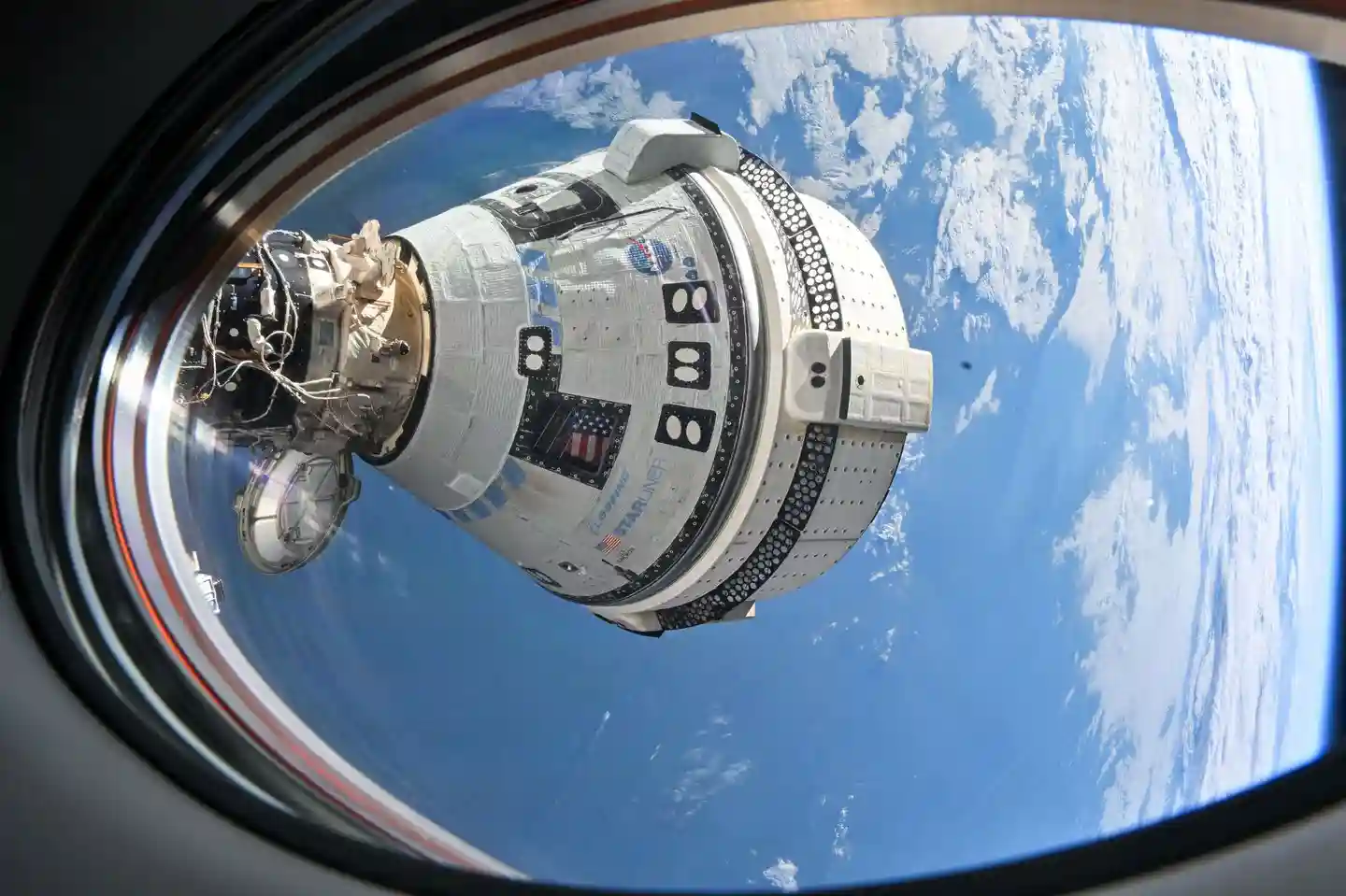
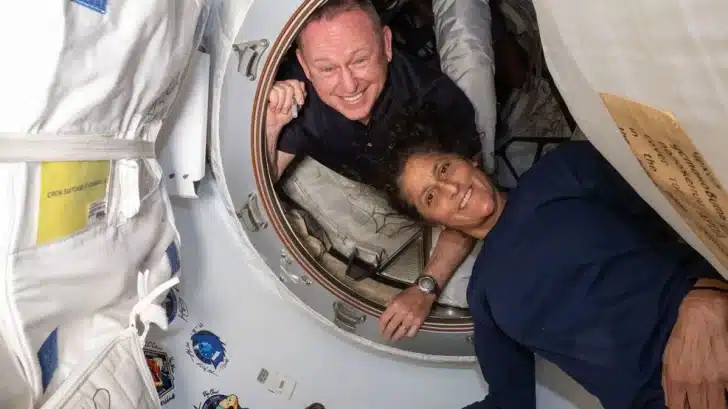
NASA has officially announced a major delay in the return of astronauts Suni Williams and Butch Wilmore from the International Space Station (ISS), extending their stay in orbit until February 2025.
The unexpected decision follows ongoing technical challenges affecting Boeing’s Starliner spacecraft, which was originally expected to return the astronauts safely to Earth in September 2024.
The announcement highlights the growing complexity of modern crewed space missions and underscores NASA’s strong commitment to astronaut safety above all else.
As space exploration increasingly depends on partnerships between government agencies and private aerospace companies, the situation also places additional attention on Boeing’s Starliner program and the role of SpaceX in supporting ISS missions.
NASA Extends ISS Mission
Suni Williams and Butch Wilmore launched aboard Boeing’s Starliner capsule on June 5, 2024, during the spacecraft’s first crewed mission to the International Space Station.
The mission represented a major milestone for Boeing’s commercial crew program, which was designed to provide NASA with an alternative transportation system for astronauts traveling to and from low Earth orbit.
However, technical complications discovered after docking with the ISS forced NASA and Boeing to reconsider the original return schedule.
Instead of returning aboard Starliner in September, the astronauts are now expected to remain aboard the ISS until early 2025.
Technical Problems with Boeing Starliner
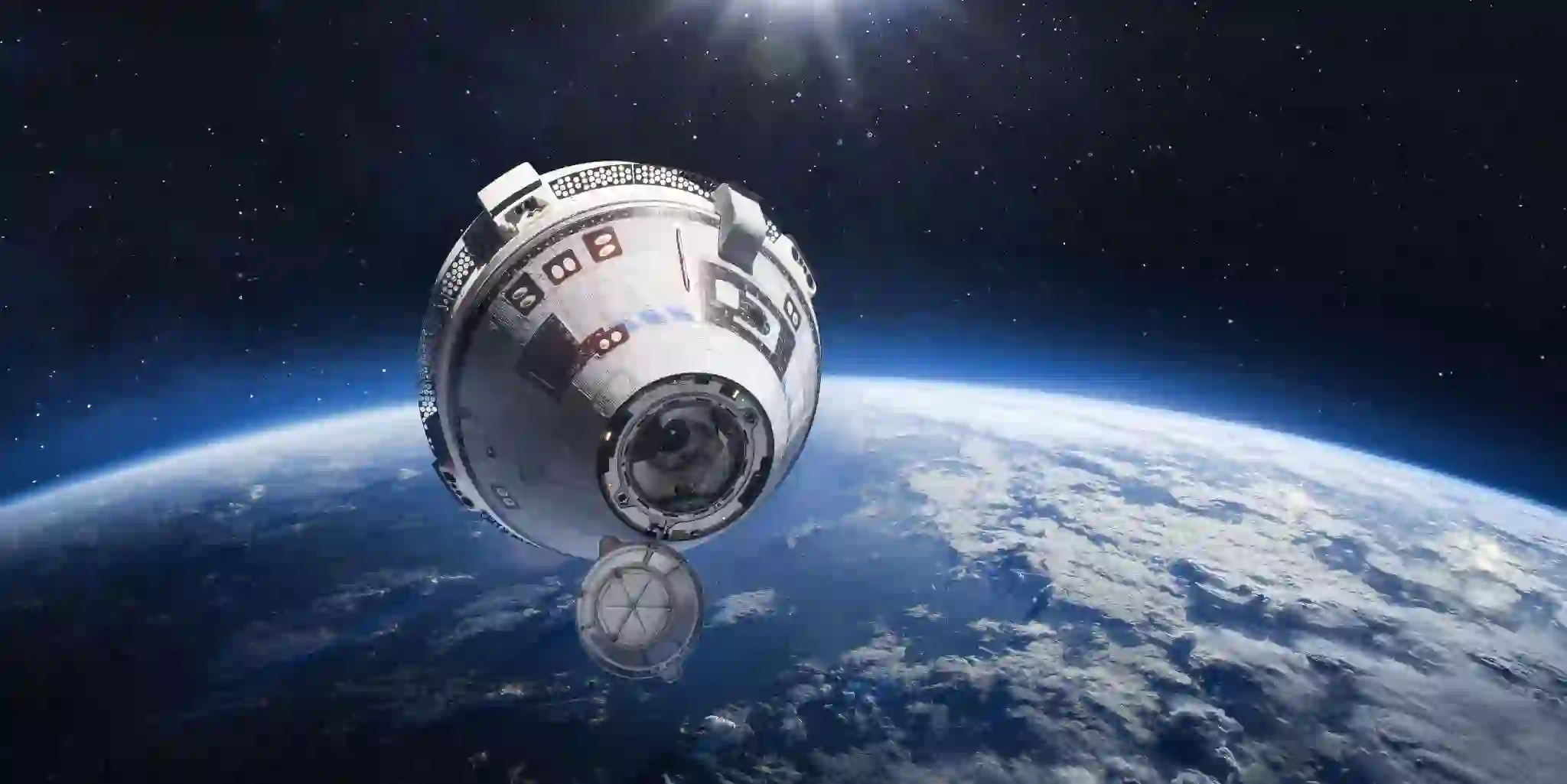
The delay is primarily linked to technical issues affecting the Boeing Starliner spacecraft.
Although NASA and Boeing have not disclosed every engineering detail publicly, safety assessments identified concerns serious enough to avoid returning astronauts aboard the capsule.
Main Concerns Include
- Spacecraft propulsion system issues
- Thruster performance anomalies
- Safety reliability evaluations
- Operational risk assessments
As a precautionary measure, NASA decided that Starliner would return to Earth without crew members onboard.
The spacecraft is currently expected to land autonomously at White Sands Spaceport in New Mexico.
This mission marks another challenge for Boeing’s commercial spaceflight ambitions, especially as the company competes directly with SpaceX in NASA’s Commercial Crew Program.
SpaceX Dragon Capsule Adaptation
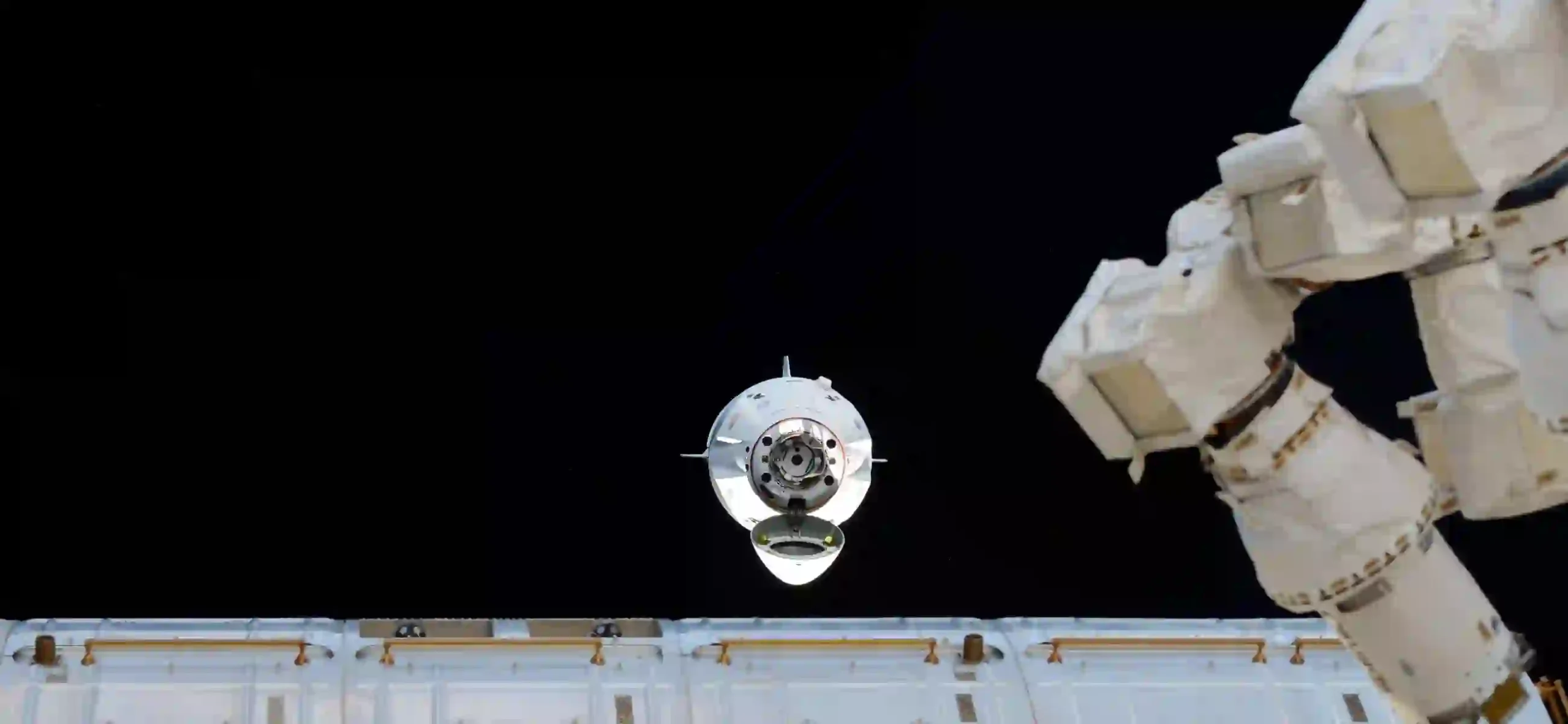
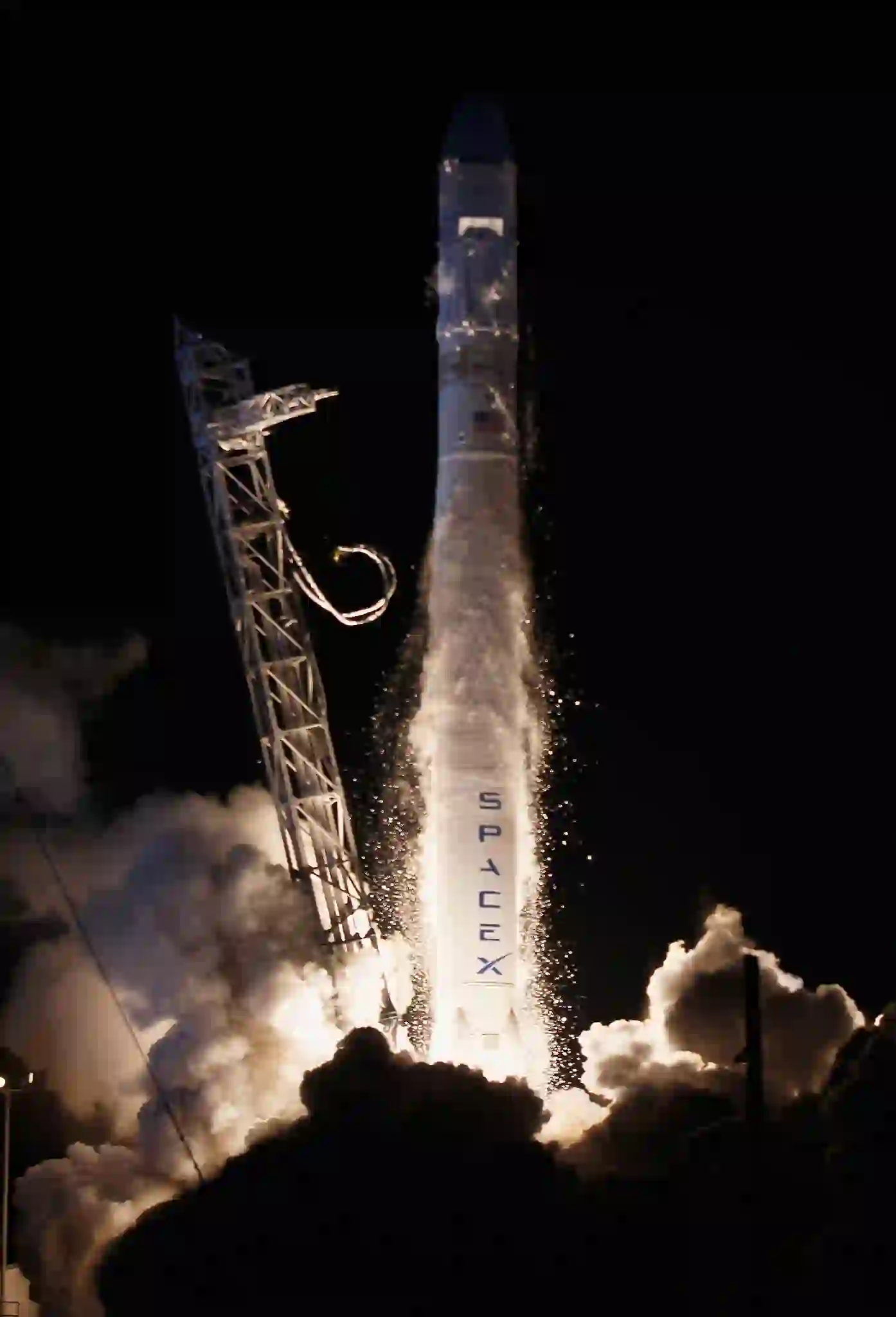
To ensure the safe return of the astronauts, NASA has partnered with SpaceX to modify the Crew-9 Dragon capsule mission.
The Dragon spacecraft will now accommodate Suni Williams and Butch Wilmore alongside its originally planned crew members.
Mission Adjustments Include
- Additional seating configuration
- Storage modifications for astronaut equipment
- Transport of mission-specific spacesuits
- Payload adjustments
The Crew Dragon spacecraft has already demonstrated strong operational reliability during multiple successful ISS missions.
This collaboration further strengthens SpaceX’s position as a key partner in modern crewed space transportation.
NASA’s Focus on Crew Safety
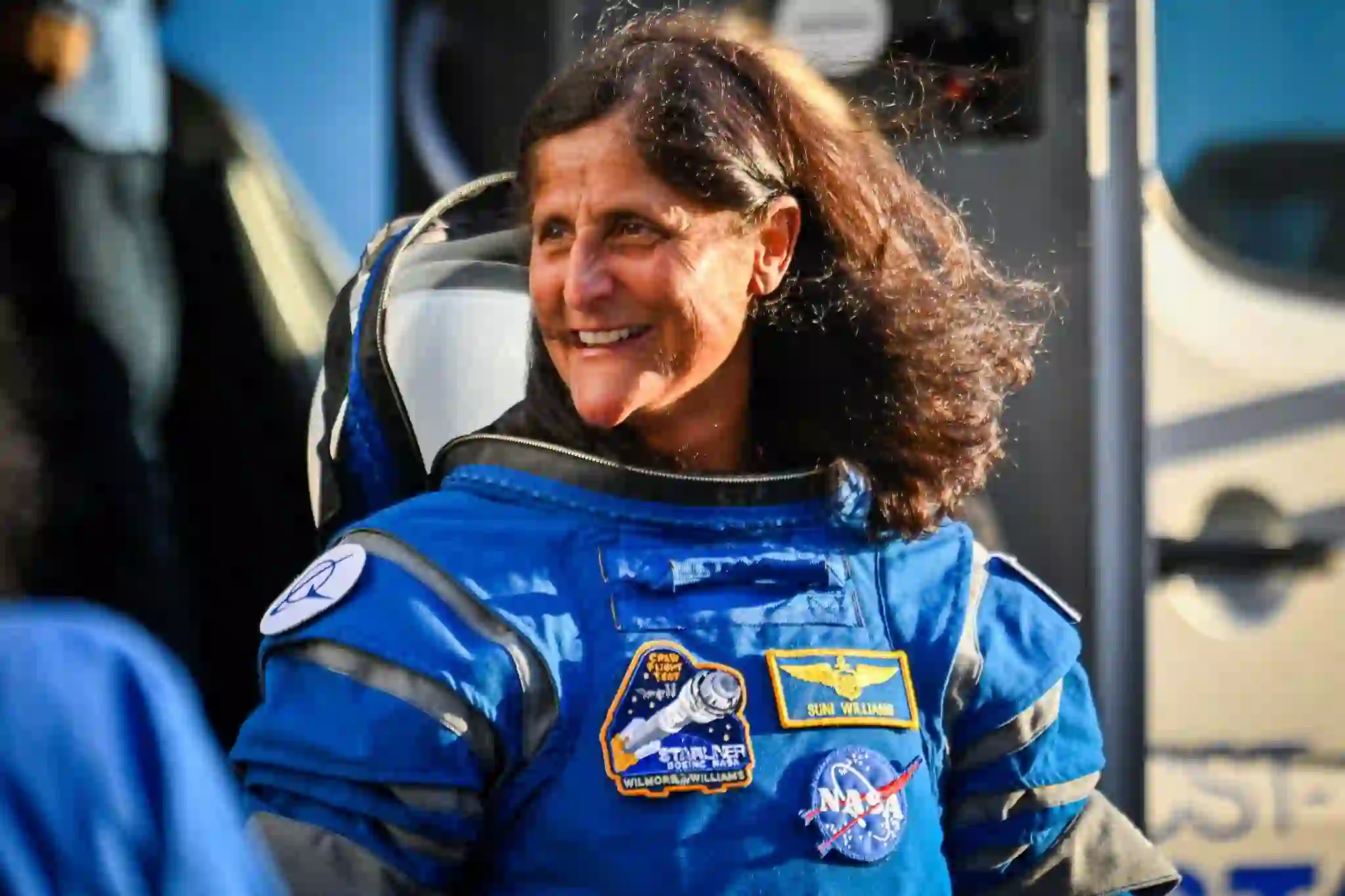
NASA Administrator Bill Nelson emphasized that the decision was based entirely on protecting astronaut safety.
According to NASA officials, extending the astronauts’ stay aboard the ISS was considered the safest and most responsible option.
Why Safety Remains Critical
- Human spaceflight involves extreme risks
- Spacecraft failures can have catastrophic consequences
- Technical issues must be fully evaluated before crew return
- Long-term mission planning requires constant adaptation
The situation demonstrates the cautious approach NASA applies when dealing with crewed spaceflight operations.
Every mission decision undergoes detailed engineering reviews, risk analysis, and coordination between multiple teams and partners.
Scientific Research Continues on the ISS
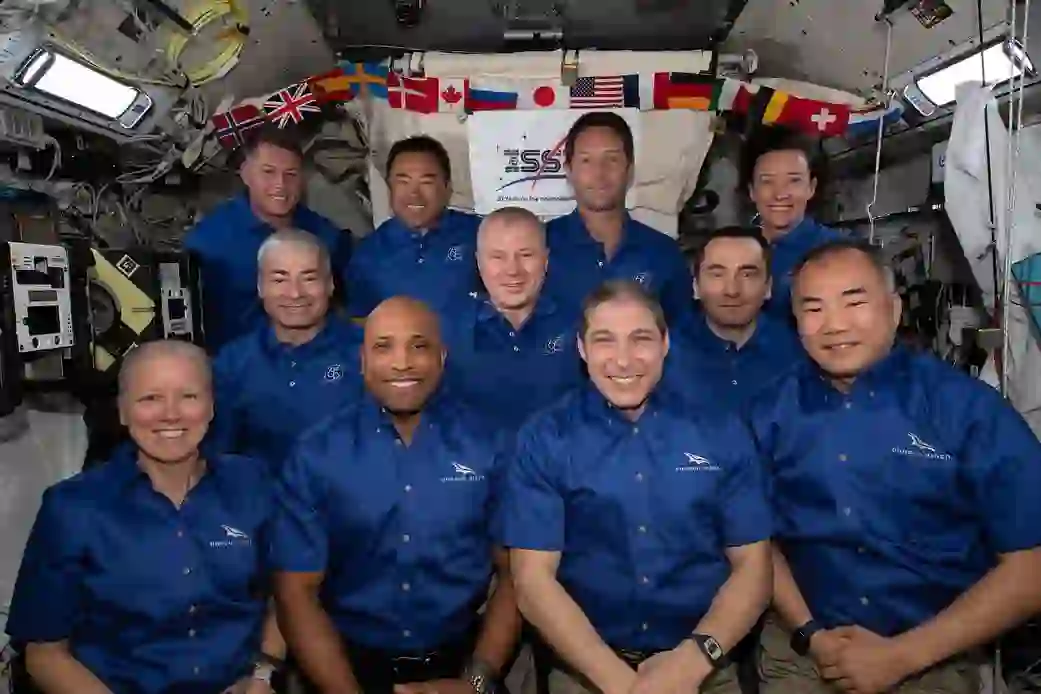
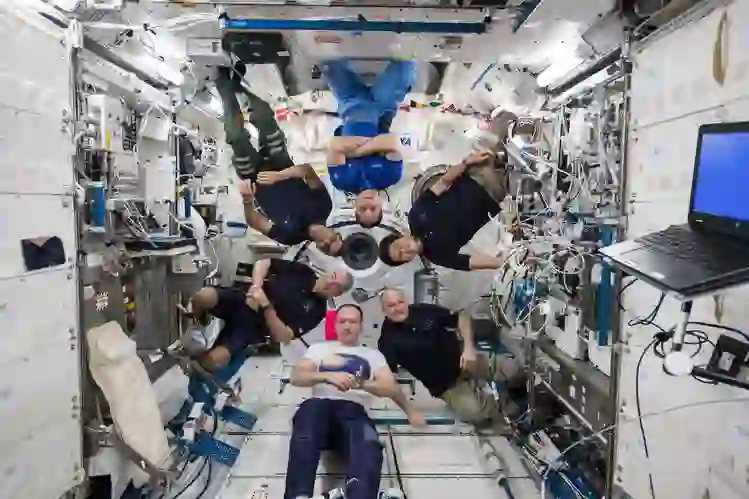
While the astronauts remain aboard the International Space Station, they continue supporting important scientific research and operational activities.
Research Conducted on the ISS Includes
- Microgravity experiments
- Human health studies
- Technology testing
- Earth observation research
- Space agriculture experiments
The ISS serves as a unique scientific laboratory that enables researchers to study conditions impossible to replicate fully on Earth.
Additional time aboard the station may also provide valuable operational experience for the astronauts and mission teams.
The Role of Private Space Companies
The delayed mission highlights the growing importance of private aerospace companies in modern space exploration.
NASA’s partnerships with Boeing and SpaceX are part of the Commercial Crew Program, which aims to reduce dependence on government-owned spacecraft.
Key Goals of Commercial Partnerships
- Reduce launch costs
- Increase mission flexibility
- Support innovation
- Expand access to low Earth orbit
While Boeing has faced setbacks with Starliner, SpaceX has achieved multiple successful crewed missions using the Dragon capsule.
The collaboration between NASA and private companies continues shaping the future of human spaceflight.
Implications for Future Space Missions
The Starliner delay may influence future commercial crew missions and spacecraft certification procedures.
NASA and Boeing will likely conduct extensive investigations and engineering reviews before Starliner carries astronauts again.
Potential Long-Term Impacts
- Stricter safety testing
- Improved spacecraft systems
- Extended certification processes
- Greater reliance on backup mission plans
The incident also serves as a reminder that space exploration remains one of humanity’s most technically demanding activities.
Despite decades of progress, space missions continue requiring precise engineering, careful planning, and rapid problem-solving capabilities.
Final Thoughts
The delayed return of NASA astronauts Suni Williams and Butch Wilmore illustrates both the risks and resilience of modern space exploration.
While Boeing’s Starliner program faces another significant challenge, NASA’s response demonstrates the agency’s strong commitment to crew safety and mission reliability.
The collaboration between NASA, Boeing, and SpaceX also highlights how public-private partnerships are now central to the future of human spaceflight.
As the astronauts continue their mission aboard the ISS, the world will closely follow developments surrounding Starliner, Crew Dragon, and the next chapter of commercial space exploration.
Frequently Asked Questions
Why was the astronauts’ return delayed?
The return was delayed due to technical and safety concerns involving Boeing’s Starliner spacecraft.
Who are the astronauts involved?
The astronauts are NASA crew members Suni Williams and Butch Wilmore.
What spacecraft will bring the astronauts back?
NASA plans to return the astronauts aboard a modified SpaceX Crew Dragon capsule.
When are the astronauts expected to return?
The current return target is February 2025.
What is Boeing Starliner?
Starliner is Boeing’s commercial crew spacecraft developed for transporting astronauts to and from the ISS.Logistical challenges and safety measures delay the keep in orbit for NASA astronauts.
In an sudden flip of occasions for the deliberate area mission, NASA has introduced that astronauts Suni Williams and Butch Wilmore, who’ve been aboard the Worldwide Area Station (ISS) since June 5, 2024, is not going to return to Earth till February 2025. The choice comes after a collection of technical challenges affecting the return of Boeing’s Starliner capsule, which was initially scheduled to carry the astronauts house in September.
The Starliner capsule, which debuted on its first crewed mission with Williams and Wilmore aboard, is scheduled to return to Earth uncrewed in September, touchdown on the White Sands Spaceport in New Mexico. Nevertheless, since returning the capsule with out its occupants may compromise the mission’s security and effectiveness, NASA and Boeing have opted for another answer to make sure a protected return for the astronauts.
SpaceX’s Dragon capsule, presently designated for the Crew-9 mission, will likely be tailored to accommodate Williams and Wilmore. The capsule, initially supposed for 2 crew members, will likely be modified to permit the Starliner astronauts to journey with their belongings and vital tools. This adaptation entails a reconfiguration that may enable the Dragon capsule to additionally carry a further payload of non-public gadgets and mission-specific spacesuits.
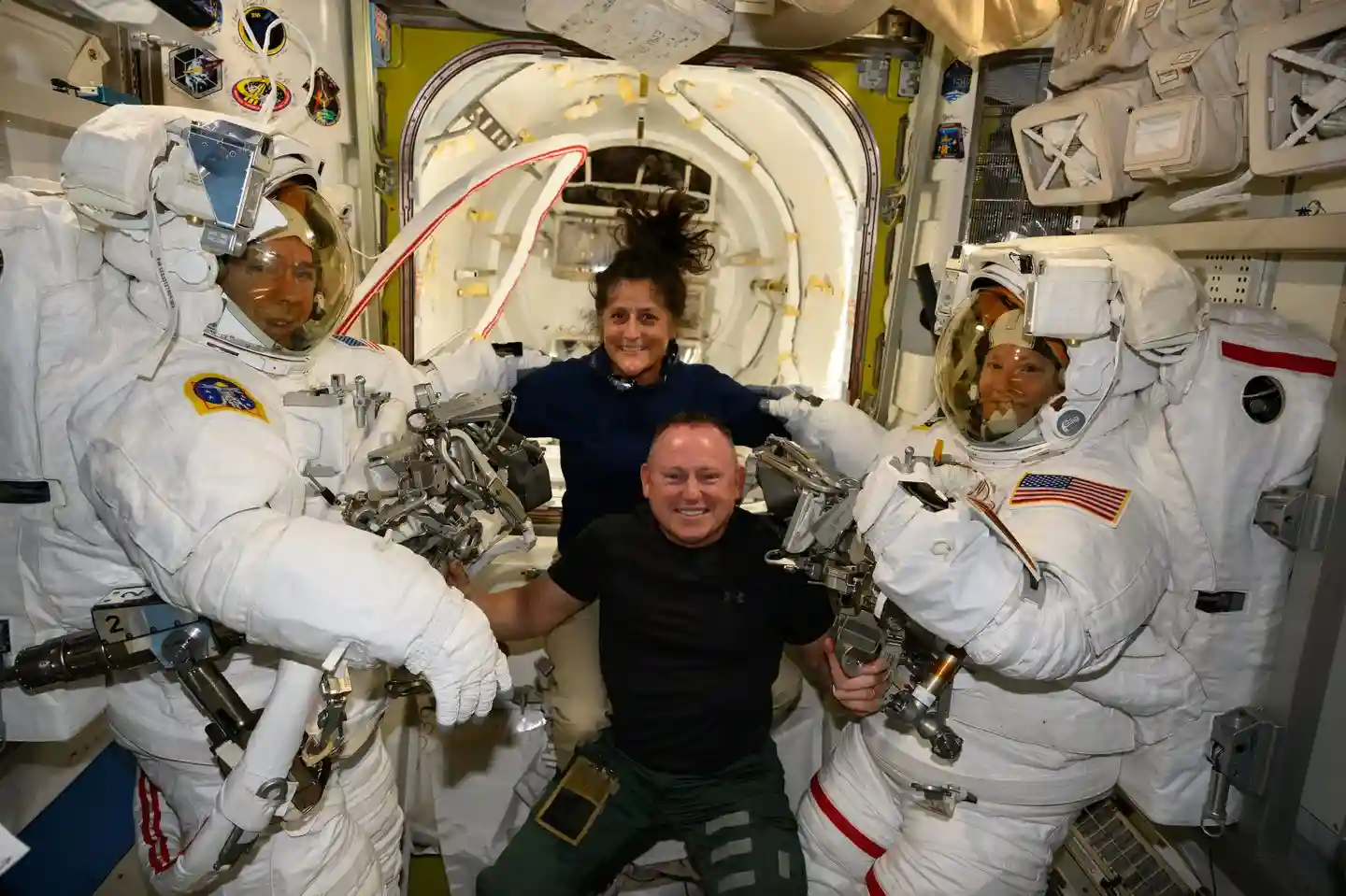
NASA Administrator Invoice Nelson emphasised that “the choice to maintain Butch and Suni aboard the Worldwide Area Station and produce the uncrewed Boeing Starliner house is the results of a dedication to security.” Extending Williams and Wilmore’s time in orbit not solely displays the significance of security in area exploration but additionally the complexity of the logistical challenges confronted by worldwide missions.
This determination underscores the significance of collaboration between area companies and personal corporations, as demonstrated by the settlement between NASA and SpaceX to make sure the mission’s success. In the meantime, astronauts proceed to conduct very important analysis and experiments on the ISS, contributing to the continuing scientific mission.
The delay within the return of the Starliner astronauts is a reminder of the inherent dangers and complexities related to crewed area missions. As know-how and procedures evolve, NASA and its companions proceed working to make sure that the security and well-being of its crews stay the highest precedence.