Table of Contents
- NASA’s Expanding Vision for Space Exploration
- Artemis Program and the Return to the Moon
- Artemis I Mission Success
- Artemis II and Artemis III Updates
- James Webb Space Telescope Discoveries
- Mars Exploration: Perseverance and Ingenuity
- NASA Earth Science and Climate Research
- The Future of NASA Missions
- Frequently Asked Questions
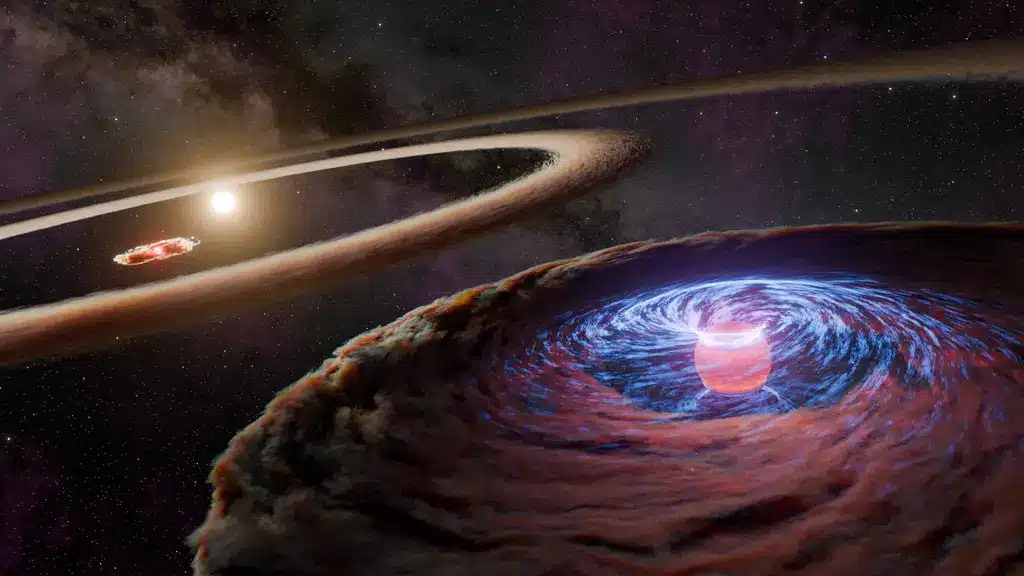
NASA continues to lead humanity into a new era of scientific discovery and technological innovation.
From returning astronauts to the Moon through the Artemis Program to uncovering the mysteries of the early universe using the James Webb Space Telescope, NASA remains at the forefront of global space exploration.
The agency’s current missions extend far beyond deep space. NASA also plays a vital role in studying climate change, monitoring Earth systems, and advancing technologies that may eventually support human life on Mars.
In this comprehensive guide, we explore NASA’s most important ongoing missions, scientific breakthroughs, and future exploration plans shaping the next generation of space science.
NASA’s Expanding Vision for Space Exploration
The National Aeronautics and Space Administration (NASA) was established in 1958 and has since become one of the world’s most influential scientific organizations.
NASA’s modern mission strategy focuses on several major objectives:
- Human exploration of the Moon and Mars
- Studying distant galaxies and cosmic origins
- Searching for signs of extraterrestrial life
- Developing advanced aerospace technologies
- Monitoring Earth’s climate and environmental systems
Through robotic missions, powerful telescopes, and human spaceflight programs, NASA continues to expand humanity’s understanding of the universe.
Artemis Program and the Return to the Moon
The Artemis Program represents NASA’s ambitious plan to establish a long-term human presence on the Moon.
Unlike the Apollo missions, Artemis is designed not only for short visits but also for sustainable lunar exploration and preparation for future missions to Mars.
Main Goals of the Artemis Program
- Return astronauts to the Moon
- Land the first woman and first person of color on the lunar surface
- Develop sustainable lunar infrastructure
- Study lunar resources such as water ice
- Prepare technologies for Mars exploration
The Moon’s South Pole is considered one of the most important exploration targets because scientists believe it contains frozen water resources essential for future deep-space missions.
Artemis I Mission Success
The Artemis I mission marked a historic milestone in modern space exploration.
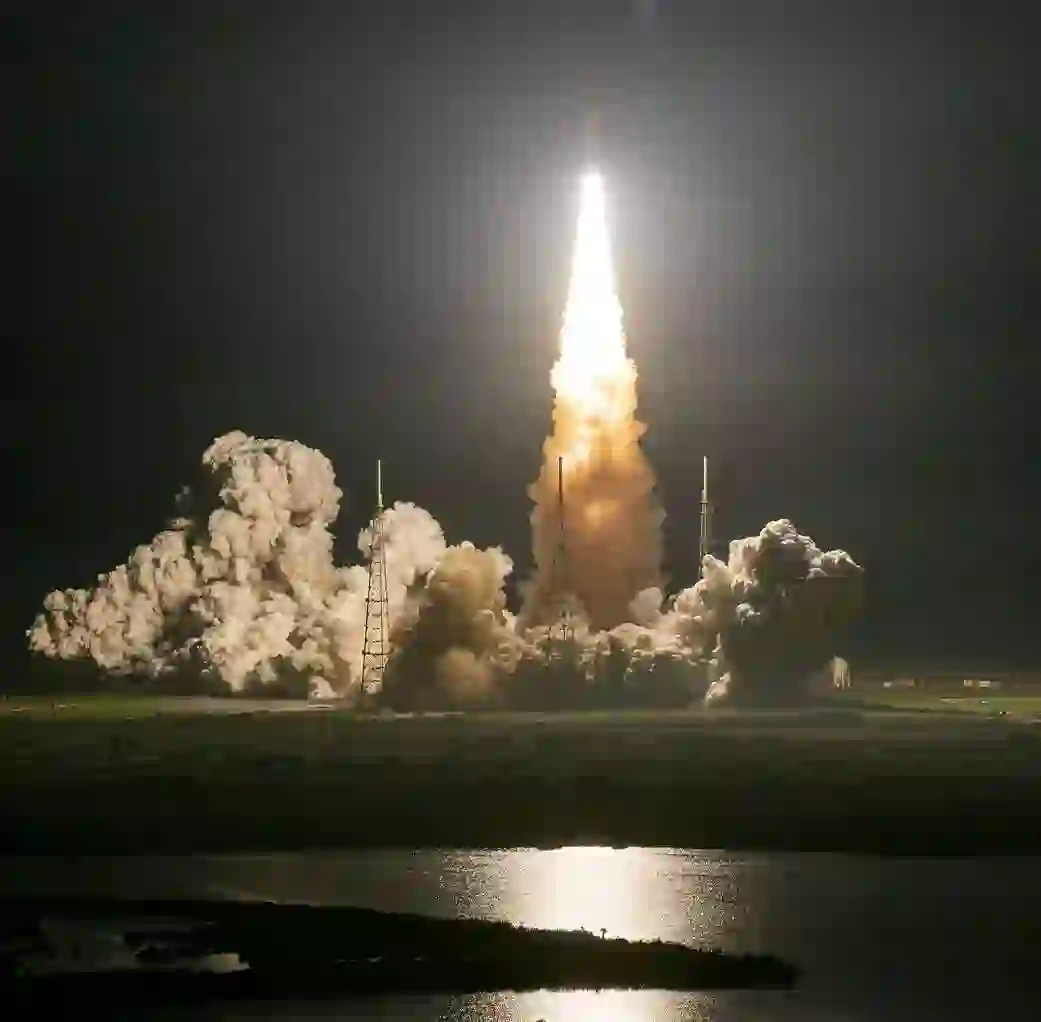
Launched as an uncrewed test mission, Artemis I successfully demonstrated the capabilities of NASA’s next-generation exploration systems.
Major Artemis I Achievements
- Successful launch of the Space Launch System (SLS)
- Deep-space flight of the Orion spacecraft
- Travel beyond the far side of the Moon
- High-speed atmospheric re-entry testing
- Validation of Orion’s advanced heat shield
The Orion spacecraft traveled farther than any spacecraft designed for astronauts has traveled before.
The mission provided critical data necessary for future crewed lunar missions.
Artemis II and Artemis III Updates
Following Artemis I, NASA is preparing for the next phases of lunar exploration.
Artemis II
Artemis II will be the first crewed mission of the Artemis Program.
The mission aims to send four astronauts around the Moon using the Orion spacecraft.
Main Artemis II Objectives
- Test life support systems
- Validate navigation and communication systems
- Evaluate crew safety during deep-space travel
- Perform a lunar flyby mission
The mission is currently targeted for launch no earlier than 2026.
Artemis III
Artemis III is expected to return humans to the lunar surface for the first time since Apollo 17 in 1972.
NASA plans to use SpaceX’s Starship Human Landing System to transport astronauts to the Moon’s South Pole.
This mission could pave the way for permanent lunar bases and long-duration space habitation.
James Webb Space Telescope Discoveries
The James Webb Space Telescope (JWST) has revolutionized astronomy since its launch.
Operating primarily in the infrared spectrum, Webb can observe extremely distant galaxies, hidden star-forming regions, and exoplanet atmospheres with unprecedented clarity.
Important JWST Discoveries
- Detection of ancient galaxies from the early universe
- Observation of star-forming nebulae
- Analysis of exoplanet atmospheres
- Discovery of complex organic molecules in deep space
- Study of moon-forming disks around exoplanets
Searching for the Origins of Life
One of Webb’s most exciting discoveries involves detecting organic molecules in interstellar ice clouds outside the Milky Way galaxy.
These findings suggest that the chemical ingredients necessary for life may exist throughout the universe.
JWST continues to reshape scientists’ understanding of cosmic evolution and planetary formation.
Mars Exploration: Perseverance and Ingenuity
NASA’s Mars 2020 mission includes two groundbreaking robotic explorers:
- Perseverance Rover
- Ingenuity Helicopter
Perseverance Rover Mission
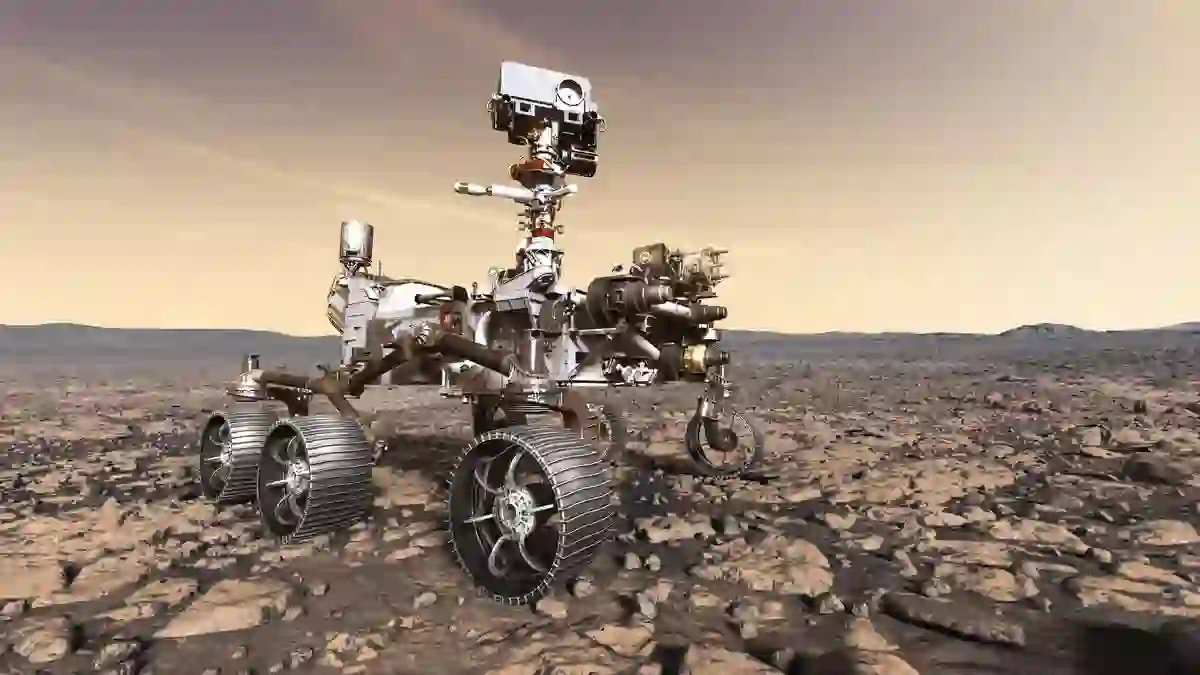
Perseverance is exploring Jezero Crater, believed to be an ancient river delta and lakebed.
The rover’s primary goals include:
- Searching for signs of ancient microbial life
- Collecting Martian rock samples
- Studying Mars geology
- Preparing for future sample return missions
Major Discoveries
Perseverance discovered sedimentary rocks that strongly suggest Mars once contained stable liquid water environments capable of supporting microbial life.
The rover also identified volcanic rocks that help scientists better understand the planet’s geological history.
MOXIE Oxygen Experiment
The MOXIE experiment successfully produced oxygen from the Martian atmosphere.
This technology may become essential for future human missions by generating breathable air and rocket fuel on Mars.
Ingenuity Helicopter Success
Ingenuity became the first aircraft to achieve powered flight on another planet.
Originally designed for only five flights, the helicopter completed 72 successful flights before concluding operations in 2024.
Ingenuity demonstrated the future potential of aerial exploration on other worlds.
NASA Earth Science and Climate Research
NASA’s missions are not limited to deep-space exploration.
The agency also conducts critical research focused on Earth’s environment and climate systems.
Earth System Observatory
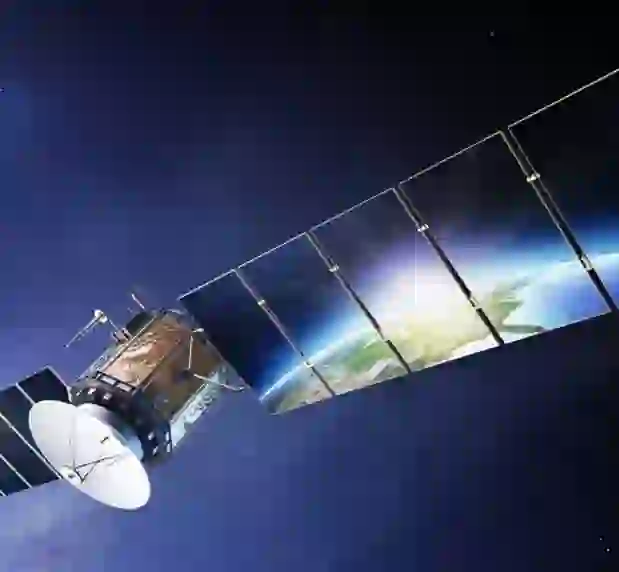
NASA is developing the Earth System Observatory, a collection of advanced satellites designed to monitor:
- Climate change
- Sea level rise
- Natural disasters
- Wildfires
- Agriculture
- Water resources
Methane Monitoring
NASA increasingly uses high-resolution satellite data to detect methane emissions, one of the most powerful greenhouse gases contributing to climate change.
Climate Data and Research
NASA provides free Earth science data to researchers and governments worldwide, helping improve environmental forecasting and disaster response systems.
The Future of NASA Missions
The coming decade promises major advancements in both robotic and human exploration.
Future NASA Priorities
- Crewed Artemis Moon missions
- Long-term lunar infrastructure
- Mars sample return missions
- Advanced deep-space telescopes
- Planetary defense systems
- Expanded Earth climate monitoring
NASA’s ongoing research continues to inspire scientific innovation, international collaboration, and technological development across multiple industries.
As humanity prepares for a future beyond Earth, NASA remains one of the leading forces driving global space exploration.

Final Thoughts
NASA’s current missions demonstrate humanity’s growing ability to explore distant worlds while simultaneously improving life on Earth.
From Artemis Moon missions and James Webb discoveries to Mars exploration and climate science, NASA’s work continues to transform our understanding of the universe.
Each mission contributes valuable scientific knowledge that may ultimately shape the future of human civilization in space.
As technology advances and international cooperation expands, NASA’s next generation of discoveries could redefine what humanity can achieve beyond our planet.
Frequently Asked Questions
What is the Artemis Program?
The Artemis Program is NASA’s initiative to return humans to the Moon and establish long-term lunar exploration.
What is the James Webb Space Telescope used for?
JWST studies distant galaxies, exoplanets, star formation, and the origins of the universe using infrared observations.
What does the Perseverance rover do on Mars?
Perseverance searches for signs of ancient microbial life and collects rock samples for future return missions.
Why is NASA studying climate change?
NASA uses satellites and scientific instruments to monitor Earth systems, climate patterns, and environmental changes.
Will humans return to the Moon?
Yes, NASA plans to return astronauts to the Moon through the Artemis missions.NASA, the Nationwide Aeronautics and Area Administration, continues to spearhead human and robotic exploration, delivering revolutionary insights that redefine our place within the cosmos and sharpen our understanding of our personal planet. From the profitable return of the uncrewed Artemis I mission, paving the way in which for astronauts to return to the Moon, to the dazzling, deep-field photographs returned by the James Webb Area Telescope (JWST), the company is working on the peak of scientific and engineering functionality. This text offers an in depth take a look at NASA’s most important present missions, highlighting the groundbreaking analysis and technological developments which are propelling humanity towards new frontiers in house and informing essential choices on Earth.

1. Returning to the Moon: The Artemis Program Updates 🚀
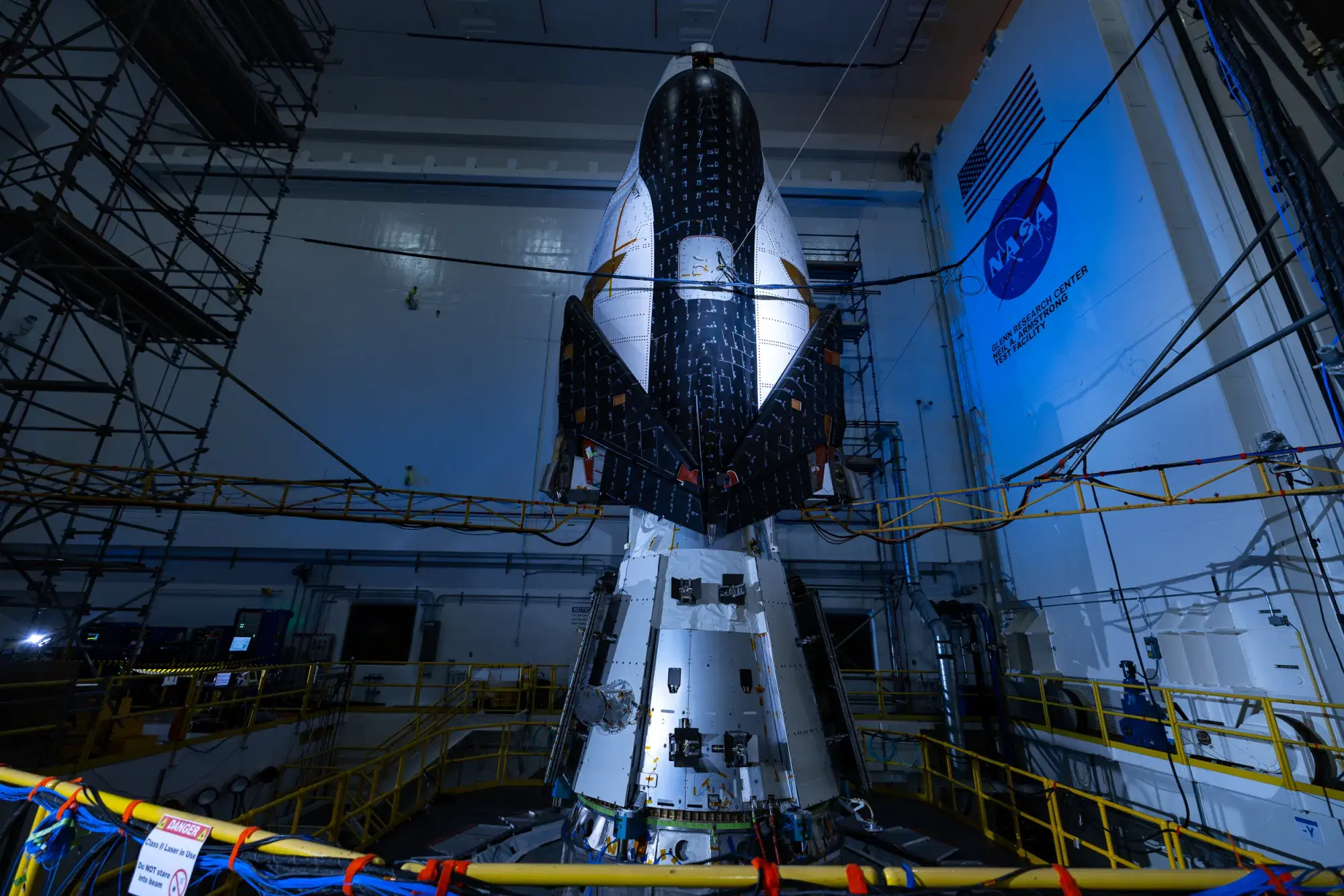
The Artemis Program is NASA’s formidable initiative to return people to the Moon for sustained exploration, establishing a everlasting presence there, and getting ready for missions to Mars.
Artemis I: A Triumphant First Step
The profitable Artemis I mission in late 2022 was an uncrewed flight check that proved the capabilities of NASA’s foundational deep house exploration methods:
- Area Launch System (SLS) Rocket: Essentially the most highly effective rocket on this planet, which carried out flawlessly throughout launch.
- Orion Spacecraft: The crew capsule traveled over 40,000 miles past the far aspect of the Moon—additional than any spacecraft designed for astronauts has ever gone—earlier than executing a high-precision splashdown within the Pacific Ocean.
- Warmth Protect Validation: The mission efficiently examined the Orion capsule’s immense warmth protect, which withstood temperatures close to 5,000 levels Fahrenheit (2,760 levels Celsius) throughout its high-speed re-entry.
Path to Artemis II and Past
Following meticulous assessment and addressing technical complexities (similar to warmth protect efficiency), the timeline for the subsequent crewed missions has been refined:
- Artemis II (Crewed Lunar Flyby): At present focused for launch no sooner than February 2026. This would be the first crewed check flight of the SLS and Orion, carrying 4 astronauts on a free-return trajectory across the Moon. The mission will rigorously check crew life help, communications, and navigation methods.
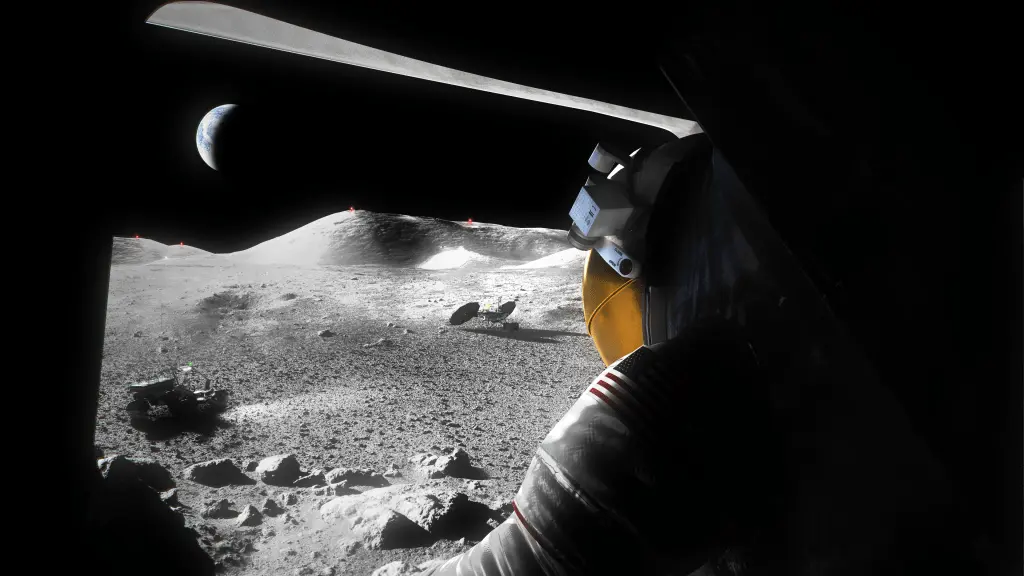
- Artemis III (Lunar Touchdown): Anticipated no sooner than mid-2027. This mission will mark humanity’s return to the lunar floor since Apollo 17 in 1972, with two astronauts using a Human Touchdown System (HLS) (at the moment, SpaceX’s Starship HLS) to the touch down close to the Moon’s South Pole, a area believed to include important water ice sources.
Scientific Significance: Sustained Lunar Presence
The Artemis missions will deal with organising the Lunar Gateway, an area station orbiting the Moon, and growing the infrastructure mandatory for long-term habitation and useful resource utilization on the lunar floor. The South Pole touchdown web site for Artemis III is vital to finding out water ice, which might be processed into air, water, and rocket gas (oxygen and hydrogen), making future deep-space missions extra sustainable.
2. Cosmic Revolution: James Webb Area Telescope (JWST) Discoveries
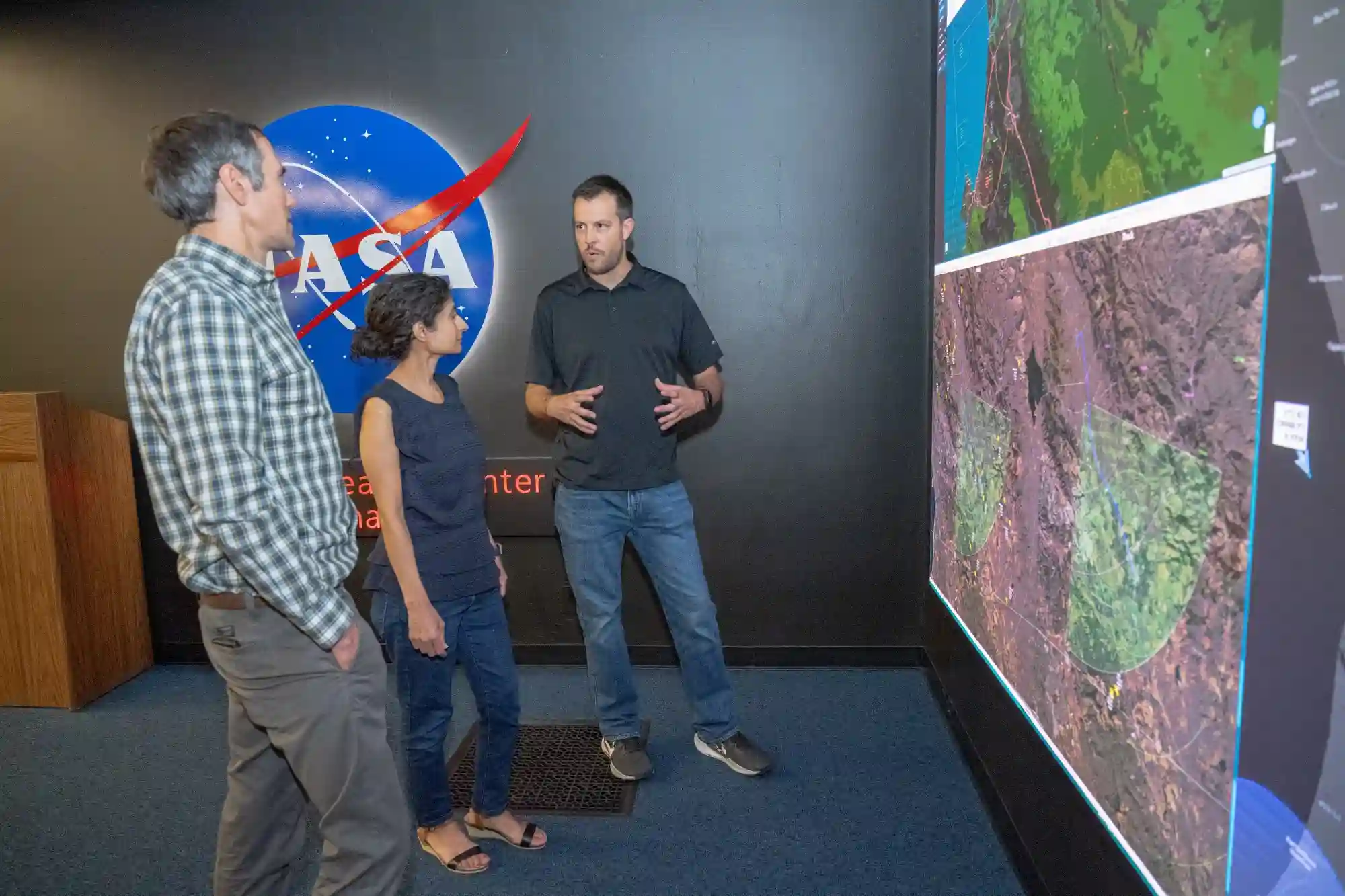
The James Webb Area Telescope stays NASA’s premier house observatory, persevering with to ship groundbreaking observations within the infrared spectrum that peer into the universe’s earliest epochs.
Current Scientific Breakthroughs
JWST’s highly effective devices are revealing particulars concerning the universe’s evolution and the chemistry of planetary methods with unprecedented readability:
- Historical Galaxies and Cosmic Daybreak: Webb is detecting galaxies that shaped within the first few hundred million years after the Huge Bang, difficult current fashions of galaxy formation. Current observations have noticed actively forming galaxies which are surprisingly light-weight, just like what the younger Milky Approach might need been.
- Seeds of Life Past Our Galaxy: In a serious discovery, JWST detected a collection of advanced natural molecules (together with carbon-based molecules like methanol and acetic acid) frozen in deep house ice round a younger star within the Massive Magellanic Cloud—a small galaxy outdoors the Milky Approach. That is the first confirmed detection of such prebiotic chemistry in ice outdoors our galaxy, strongly suggesting that the chemical elements for all times are common.
- Moon-Forming Disks: Webb has supplied the primary direct measurements of the chemical and bodily properties of a possible moon-forming disk encircling a large exoplanet. The info reveals the presence of uncooked supplies like hydrogen cyanide and carbon dioxide, offering essential insights into how moons and planetary methods assemble.
Scientific Significance: Unveiling Origins
JWST is fulfilling its core mission of wanting again to the “Cosmic Daybreak,” finding out the formation of the primary stars and galaxies. Its infrared functionality permits it to pierce by way of mud clouds, revealing the hidden chemical and bodily processes of star and planet formation, essentially reshaping cosmology and the seek for extraterrestrial life.
3. Martian Exploration: Perseverance and the Finish of Ingenuity
NASA’s Mars 2020 mission, comprising the Perseverance rover and the Ingenuity helicopter, continues to discover the Jezero Crater, a former lakebed and river delta.
Perseverance: Searching for Historical Biosignatures
The Perseverance rover’s main mission is to hunt indicators of historic microbial life and acquire scientifically compelling rock and soil samples for eventual return to Earth.
- Discovery of Lakebed Rocks: Perseverance has efficiently drilled samples from rocks which are sturdy proof of an historic lake surroundings at websites like “Wildcat Ridge.” Evaluation of those sedimentary deposits signifies that the realm would have been extremely liveable for historic microbial life.
- Volcanic Surprises: Unexpectedly, the rover additionally found a number of sorts of igneous (volcanic) rocks on the crater ground. These rocks, shaped by cooling lava or magma, present essential time markers for relationship the occasions within the crater’s dynamic previous, complementing the sedimentary findings.
- MOXIE Success: The Mars Oxygen In-Situ Useful resource Utilization Experiment (MOXIE) efficiently concluded its operations, proving it could actually reliably produce oxygen from Mars’ skinny carbon dioxide environment. This know-how is significant for future human missions, offering breathable air and propellant.
Ingenuity: The Finish of a Report-Breaking Flight
The Ingenuity Mars Helicopter, the primary plane to attain powered, managed flight on one other planet, concluded its historic mission in January 2024 after struggling rotor harm.
- Unprecedented Longevity: Designed for simply 5 check flights, Ingenuity finally accomplished 72 flights over almost three years, flying over 14 instances additional than deliberate.
- Scientific Contribution: Ingenuity served as a scout for Perseverance, offering invaluable aerial reconnaissance that guided the rover’s path and allowed scientists to effectively map the terrain, demonstrating the essential function of aerial mobility in planetary exploration.
4. Monitoring Our Residence: Earth Science and Local weather
NASA applies its huge experience in distant sensing and knowledge processing to the examine of our house planet, specializing in local weather change, pure hazards, and important life help methods.
- Earth System Observatory (ESO): NASA is growing the Earth System Observatory, a brand new set of satellite tv for pc missions that may present a 3D view of our planet, delivering essential knowledge on local weather change, extreme climate, pure hazards, and international meals manufacturing.
- GHGSat and Business Knowledge: NASA’s use of economic satellite tv for pc knowledge is increasing, together with the acquisition of methane emissions knowledge from suppliers like GHGSat. This high-resolution knowledge helps pinpoint the sources of potent greenhouse gases, supporting international local weather mitigation efforts.
- Sea Degree and Cryosphere: NASA satellites constantly monitor key local weather indicators similar to sea stage rise (which has risen 8-9 inches since 1880) and the well being of the cryosphere (ice sheets and glaciers). Knowledge instruments like GISTEMP present one of many world’s most trusted international temperature information, confirming the unprecedented fee of human-caused international warming.
Scientific Significance: Actionable Local weather Knowledge
By making petabytes of Earth science knowledge free and open by way of applications like Earthdata, NASA empowers scientists, governments, and decision-makers globally to watch, predict, and reply to climate-related challenges, similar to monitoring hurricanes, forecasting wildfires, and managing water sources.

Conclusion: The Way forward for Exploration
NASA’s present missions mirror a balanced and impressive technique that spans the cosmic frontier and the terrestrial surroundings. From the profound cosmological revelations of JWST to the foundational steps of Artemis in establishing a sustained human presence on the Moon, the company is redefining our potential as a spacefaring species.
The approaching years will see the launch of Artemis II, the primary crewed deep-space mission in over 5 many years, and the continued detailed evaluation of Mars samples collected by Perseverance. Moreover, new Earth System Observatory satellites will quickly be on-line, offering an unprecedented view of our altering local weather. NASA’s dedication to each fundamental scientific discovery and technological growth ensures that its analysis will proceed to encourage generations and drive technological progress important for tackling each cosmic and international challenges.