Table of Contents
- Neuralink and the Future of Neurotechnology
- The First Neuralink Patients
- Alex and His Remarkable Recovery
- Gaming, Creativity, and Daily Life
- Technical Challenges and Solutions
- Future Applications of Brain Implants
- How Neuralink Could Transform Medicine
- Ethical Questions and Public Debate
- The Future of Human-Machine Interaction
- Frequently Asked Questions
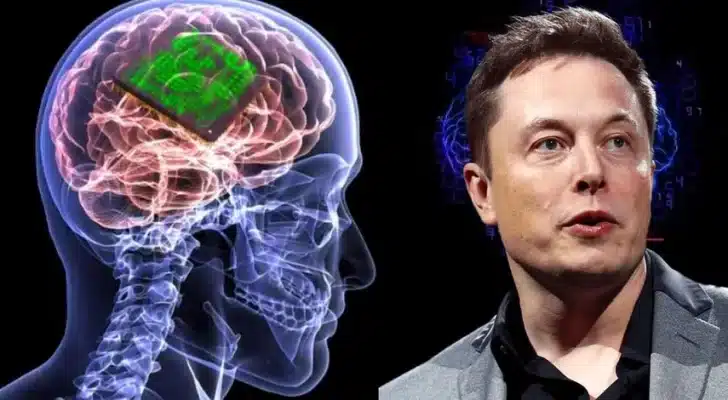
:contentReference[oaicite:1]{index=1}, the neurotechnology company founded by :contentReference[oaicite:2]{index=2}, has achieved one of the most important milestones in modern neuroscience.
The company recently confirmed successful brain implant procedures in two human patients, marking a major step toward direct communication between the human brain and digital machines.
What once sounded like science fiction is now becoming a reality.
Neuralink’s brain-computer interface technology is designed to help people with severe neurological disabilities regain independence by controlling computers and devices using only their thoughts.
The progress demonstrated by the first patients has already captured global attention and could reshape the future of medicine, rehabilitation, and human-machine interaction.
Neuralink and the Future of Neurotechnology
Neuralink was created with the goal of developing advanced brain-computer interfaces (BCIs).
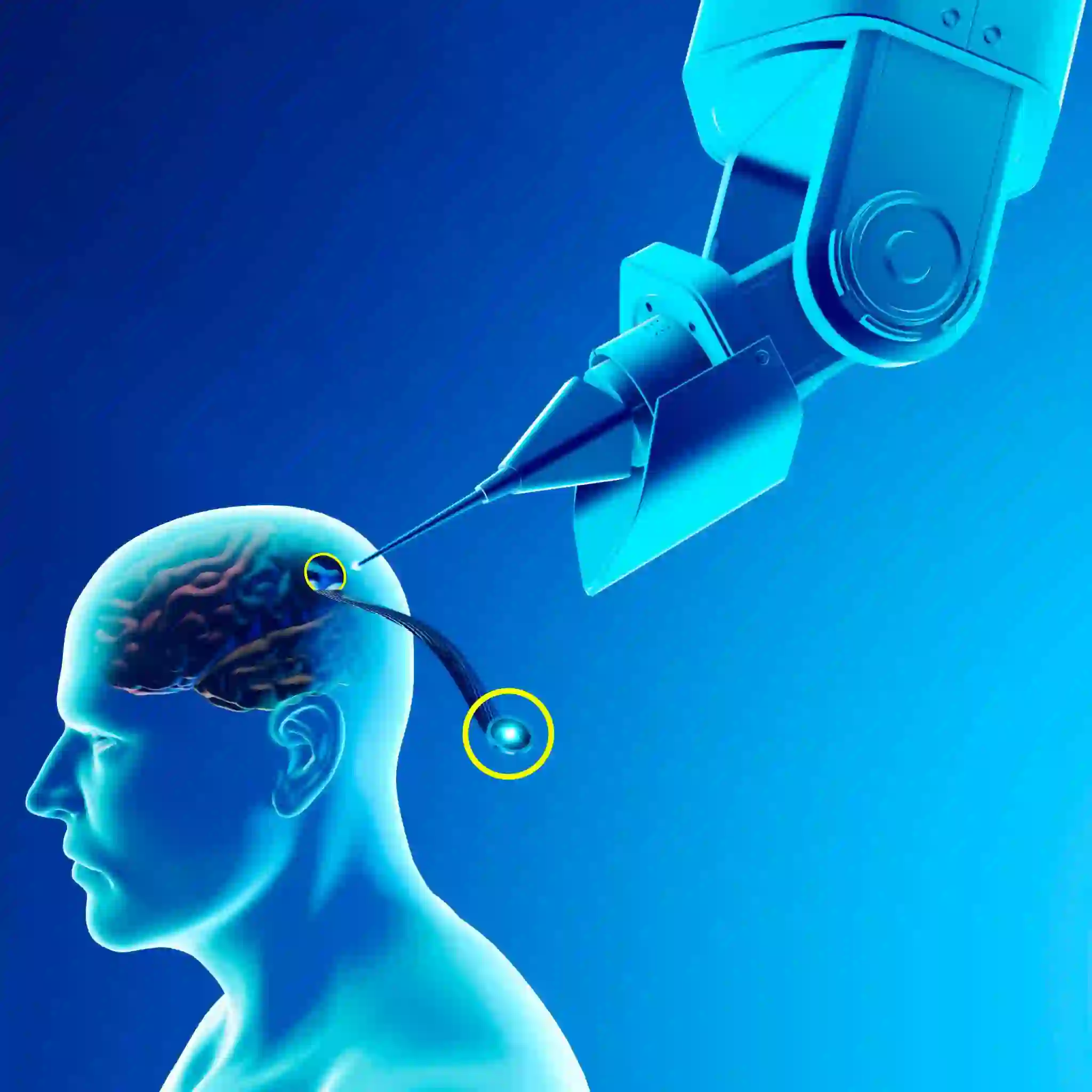
These devices are designed to connect the human brain directly to computers using microscopic electrodes implanted into neural tissue.
Main Goals of Neuralink
- Restore communication abilities
- Assist patients with paralysis
- Improve independence for disabled individuals
- Enable direct brain-to-device interaction
- Advance neurological research
The technology could eventually allow users to control digital systems, robotic devices, and communication tools entirely through neural activity.
The First Neuralink Patients
In early 2024, Elon Musk announced that Neuralink had successfully implanted its first brain chip into a human patient.
The first recipient, :contentReference[oaicite:3]{index=3}, quickly demonstrated the ability to move a computer cursor using thought alone.
Shortly afterward, a second patient named :contentReference[oaicite:4]{index=4} also underwent implantation surgery.
Both patients suffered spinal cord injuries that severely limited their physical mobility.
Their progress has become one of the clearest demonstrations of the potential power of brain-computer interfaces.
Alex and His Remarkable Recovery
According to Neuralink specialists, Alex’s recovery following surgery has been highly successful.
He was reportedly discharged from the hospital only one day after the procedure.
Abilities Demonstrated by Alex
- Mind-controlled cursor movement
- 3D design software interaction
- Digital navigation without physical input
- Creative design work using neural control
One particularly impressive achievement involved Alex designing a custom mount for his implant charger using 3D modeling software.
Tasks that normally require a mouse and keyboard were completed using thought-based interaction alone.
This level of control highlights how neurotechnology could significantly improve quality of life for individuals with severe motor disabilities.
Gaming, Creativity, and Daily Life
Before his injury, Alex worked as an automotive technician and enjoyed playing video games.
Thanks to the Neuralink implant, he has been able to reconnect with that passion.
Using a combination of neural control and adaptive gaming hardware such as the Quadstick controller, Alex can now play games like :contentReference[oaicite:5]{index=5}.
What Makes This Important
- Restores personal independence
- Improves mental well-being
- Enables creative expression
- Supports social interaction
- Provides greater digital accessibility
The ability to control digital environments using thought alone may eventually revolutionize accessibility technology for millions of people worldwide.
Technical Challenges and Solutions
Although Neuralink’s progress has been groundbreaking, the technology has also faced technical difficulties.
During the first implantation involving Noland Arbaugh, some of the implant’s connecting wires reportedly detached due to a condition called pneumocephalus, which involves air trapped inside the skull.
Challenges Neuralink Faced
- Brain movement during recovery
- Electrode stability issues
- Signal consistency problems
- Hardware positioning adjustments
Neuralink engineers learned from these complications and implemented additional safeguards during Alex’s surgery.
So far, the second implant appears to be functioning without similar problems.
Future Applications of Brain Implants
Neuralink’s long-term ambitions extend far beyond controlling computer cursors.
The company hopes future versions of the technology will allow users to interact directly with physical devices and environments.
Potential Future Capabilities
- Text communication by thought
- Robotic arm control
- Wheelchair navigation
- Smart home interaction
- Advanced digital communication
Researchers are also working on decoding increasingly complex neural intentions, potentially enabling far more natural digital interaction.
How Neuralink Could Transform Medicine
The medical implications of Neuralink’s technology are enormous.
Brain-computer interfaces could eventually help treat or manage conditions such as:
- Paralysis
- Spinal cord injuries
- ALS
- Neurological disorders
- Communication impairments
By restoring communication and digital interaction abilities, these implants may dramatically improve independence and quality of life.
Neuralink represents a major shift toward integrating advanced computing with medical rehabilitation.
Ethical Questions and Public Debate
As with many emerging technologies, Neuralink also raises ethical and societal questions.
Major Concerns Include
- Brain data privacy
- Cybersecurity risks
- Long-term health effects
- Human enhancement ethics
- Accessibility and affordability
Experts continue debating how brain-computer interfaces should be regulated as the technology develops further.
Public trust and transparency will likely play an important role in the future acceptance of neurotechnology.
The Future of Human-Machine Interaction
Neuralink’s early success marks the beginning of a potentially transformative era in neuroscience and human-computer interaction.
The idea of controlling digital systems using thought alone could fundamentally change:
- Communication
- Medical rehabilitation
- Gaming
- Education
- Work environments
As artificial intelligence, robotics, and neurotechnology continue advancing together, the line between biological and digital systems may become increasingly interconnected.
Neuralink’s progress suggests that brain-computer interfaces could eventually become one of the most revolutionary technologies of the 21st century.
Final Thoughts
The successful implantation of Neuralink devices in human patients represents a historic milestone in science and medicine.
Patients like Noland Arbaugh and Alex are demonstrating how brain-computer interfaces can restore digital interaction abilities and improve independence after severe injuries.
While technical and ethical challenges remain, the progress achieved so far signals a future where direct communication between humans and machines may become increasingly common.
Under Elon Musk’s ambitious vision, Neuralink is pushing the boundaries of neuroscience and opening a new chapter in the relationship between technology and the human brain.
Frequently Asked Questions
What is Neuralink?
Neuralink is a neurotechnology company developing brain-computer interfaces that connect the human brain to digital devices.
Who founded Neuralink?
Neuralink was founded by Elon Musk.
What can Neuralink implants do?
The implants allow users to control digital systems such as computer cursors using neural signals.
Who are the first Neuralink patients?
The first publicly known patients are Noland Arbaugh and Alex.
Could Neuralink help people with paralysis?
Yes, one of Neuralink’s primary goals is helping individuals with paralysis regain communication and digital interaction abilities.The technological advance led by Elon Musk marks a milestone in neurological medication, opening a brand new chapter in human-machine interplay.
A milestone in science: two sufferers with Neuralink implants
In late January, Elon Musk shocked the world by asserting that Neuralink, his neurotechnology firm, had efficiently accomplished the primary mind implant in a human. This modern machine, designed to boost the interplay between the human mind and machines, goals to supply new hope to folks with neurological disabilities. The primary affected person, Noland Arbaugh, has proven outstanding progress since receiving his implant, and now, Alex, a second affected person, has additionally begun his personal restoration journey.
Alex: A promising restoration
Alex, who suffered a spinal twine harm just like Noland’s, was discharged simply sooner or later after surgical procedure. His restoration has been described as “regular” by Neuralink specialists, and his achievements up to now are spectacular. Alex has already demonstrated the flexibility to manage a cursor along with his thoughts and use 3D design software program with outstanding talent, even designing a mount for his personal implant charger. This 3D design capability, which might usually require a mouse and several other buttons, underscores the potential of Neuralink’s know-how to extend the independence and productiveness of individuals with motor disabilities.
Gaming and know-how: Alex’s new life
Earlier than his harm, Alex labored as an automotive technician and was an avid online game participant. Because of the Neuralink implant, he has been capable of return to his ardour for video video games, combining using a Quadstick (an tailored controller operated with the mouth) with thoughts management to play titles like ‘Counter-Strike 2’. This mixture permits him to carry out advanced duties that had been beforehand troublesome, corresponding to transferring the cursor and the character concurrently within the sport.
Fixing challenges: Technical issues and their options
The set up of the primary implant was not with out its challenges. A few of the wires connecting the chip’s electrodes to Noland’s mind indifferent resulting from an air pocket in his cranium, a situation often known as pneumocephalus. This setback quickly affected the machine’s efficiency. Nevertheless, Neuralink has discovered from this expertise, and through Alex’s surgical procedure, extra measures had been taken to attenuate mind motion and scale back the hole between the implant and the mind floor. Thus far, these efforts seem to have paid off, as no related issues have been reported with the second implant.
The way forward for neurotechnology: Neuralink’s subsequent steps
Trying to the longer term, Neuralink is engaged on enhancing its know-how to decode a number of clicks and extra advanced motion intentions, corresponding to textual content enter. Moreover, one among its long-term targets is to allow sufferers to work together with the bodily world by controlling robotic arms or wheelchairs, granting them an unprecedented stage of independence.
A step in direction of a brand new paradigm in medication
The progress achieved with Noland and Alex represents a big leap towards integrating neurotechnology into the day by day lives of individuals with disabilities. Neuralink, underneath Elon Musk’s imaginative and prescient, is redefining what is feasible within the fields of neuroscience and medication, providing not solely hope however tangible outcomes that might remodel the lives of hundreds of thousands within the close to future.
As this know-how continues to evolve, Neuralink’s potential affect guarantees to be as revolutionary as its creator’s personal ambitions.